Texas State University's The Wittliff Collections Celebrates 40 Years With Anniversary Exhibit
The Spirit of The Wittliff in 40 Objects celebrates the 40th anniversary of The Wittliff Collections with an exploration of Southwestern literature, music, film, photography, & cultural artifacts.
May 15, 2026
Tatiana Salazar
The Spirit of The Wittliff in 40 Objects celebrates the 40th anniversary of The Wittliff Collections with an exploration of Southwestern literature, music, film, photography, & cultural artifacts.
The Percy Jackson book series, Little Joe Hernández, Beyoncé, and the TV show King of the Hill all have at least one thing in common. Well, more than one thing. They are all uniquely Texan. And they’re all showcased at The Wittliff Collections’ The Spirit of The Wittliff in 40 Objects exhibition.
The Wittliff is marking its 40th anniversary this year by highlighting 40 objects that represent the Texan experience and culture. Along with distinctive cultural treasures, the exhibit explores The Wittliff’s growth into a preeminent archive and showcase of Southwestern literature, music, film, and photography.
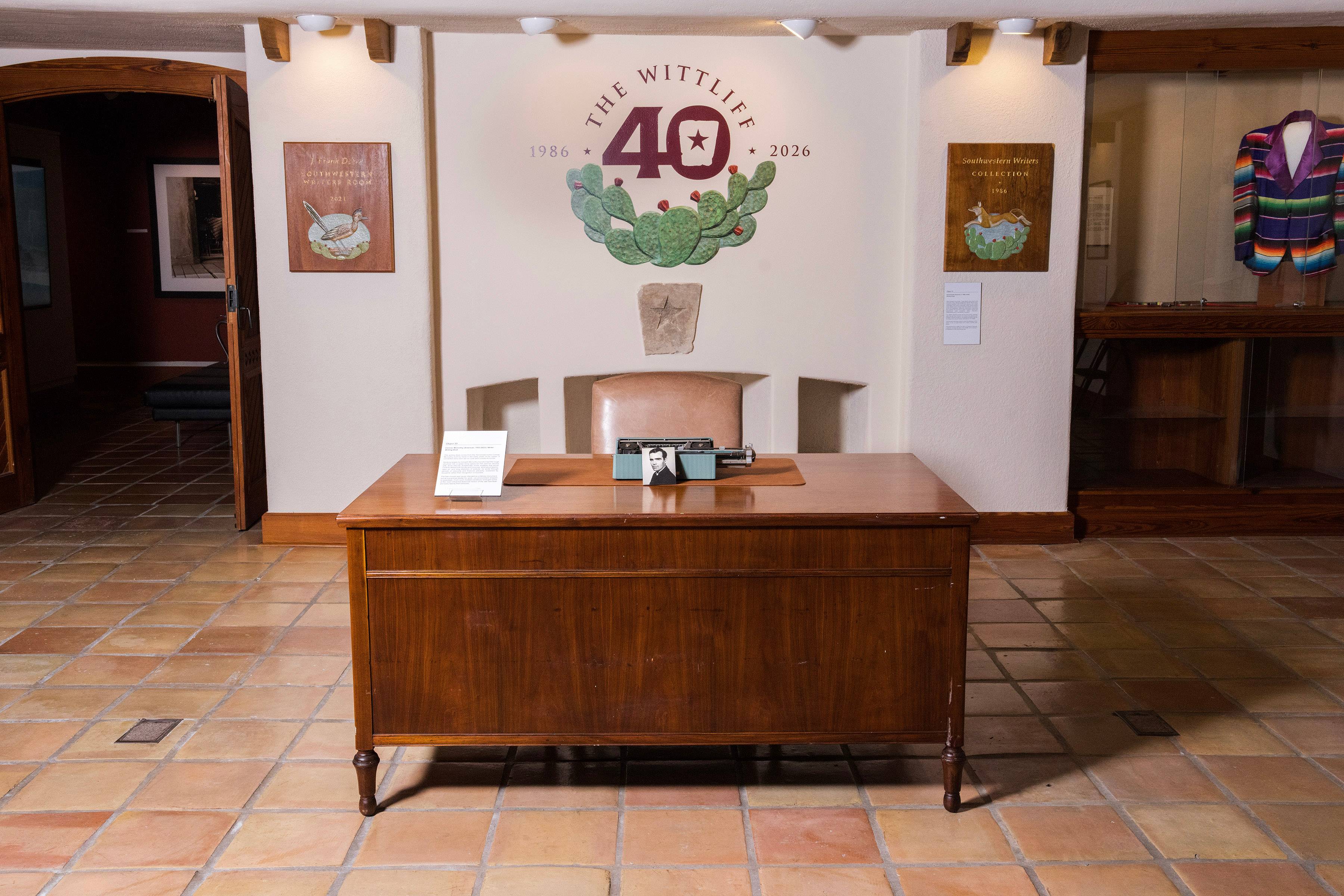
Cormac McCarthy’s writing desk.
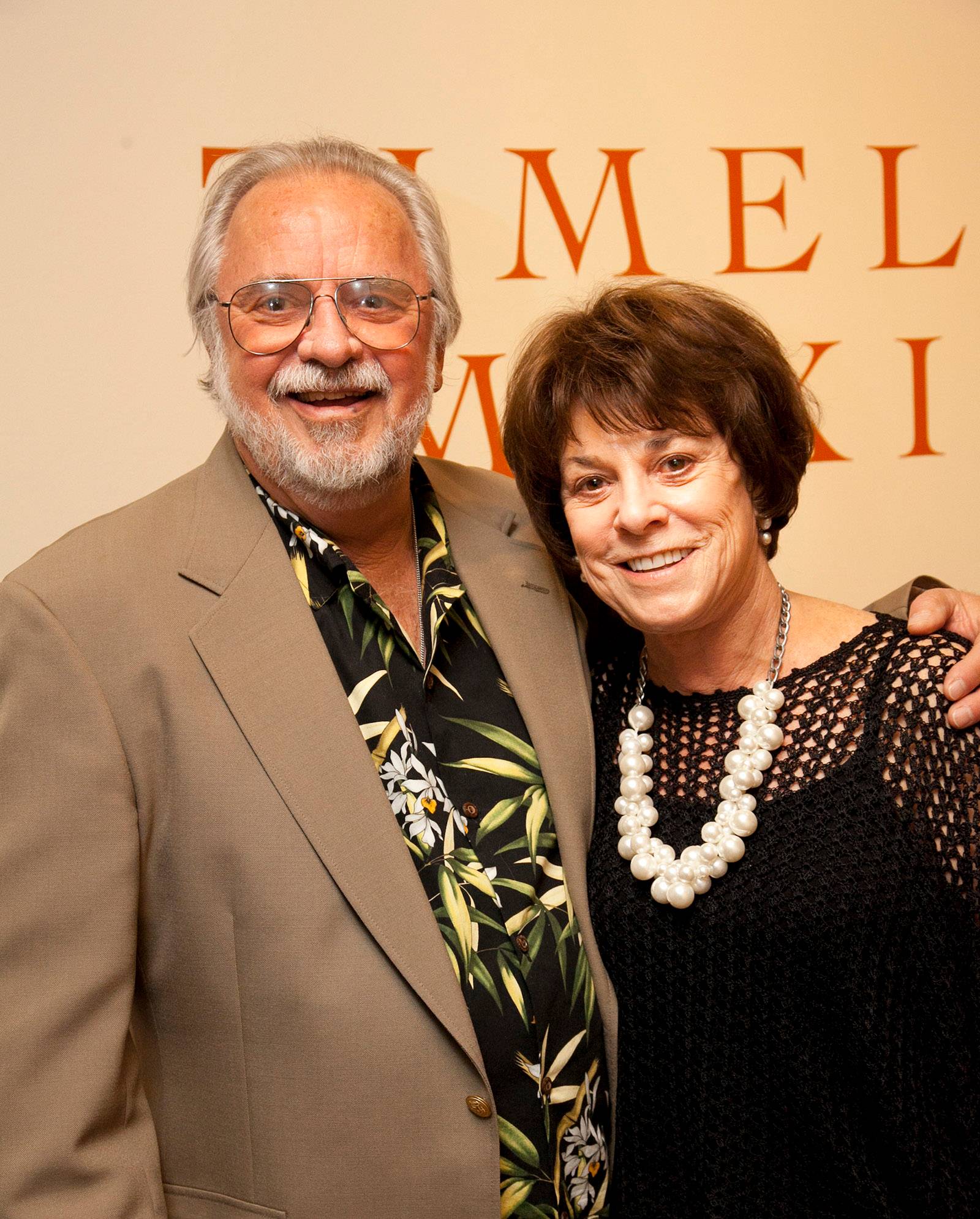
Bill and Sally Wittliff
Occupying the seventh floor of Alkek Library, The Wittliff Collections started in 1986 when screenwriter and photographer Bill Wittliff and his wife, Sally, donated their archive of Southwestern literary manuscripts to the university’s library, creating what was then the Southwestern Writers Collection. What began with the papers of Texas folklorist J. Frank Dobie has expanded over the years into one of the Southwest’s most important archives, museums, and research centers documenting the cultural heritage and stories of Texas, the Southwest, and Mexico.
As she put together the 40th anniversary exhibit, Wittliff Literary Curator Carrie Fountain says she realized early on that the 40 objects didn’t necessarily need to represent each year of The Wittliff’s existence.
“I was initially approaching it to put it together chronologically,” Fountain says. “But you can't really tell the story of an archive that way because that's not really the most interesting story.”
The project was daunting at first, she acknowledges, but as she looked through the archives, she kept finding what she describes as “amazing objects.”
“My instinct was, I can't wait to show this to someone,” Fountain says. “These objects are not necessarily monumental; they're intimate, and they open a window towards something larger.”
In this case, “something larger” means both Texas culture and The Wittliff throughout its four decades.
Today, The Wittliff Collections includes more than 500 artifacts of literature, music, and photography—all available to scholars, authors, students, and other interested researchers. Spanning 15,000 square feet of exhibition, event, and research space, it holds the papers of esteemed writers including Dobie, Cormac McCarthy, and Sandra Cisneros. Its music collection ranges from the music fashion of Selena Quintanilla Perez to the journals and handwritten lyrics of Shawn Colvin, Jerry Jeff Walker, and Willie Nelson.
As you can imagine, Fountain found it difficult to choose just 40 pieces for the exhibit. She says she focused on evoking a sense of wonder.
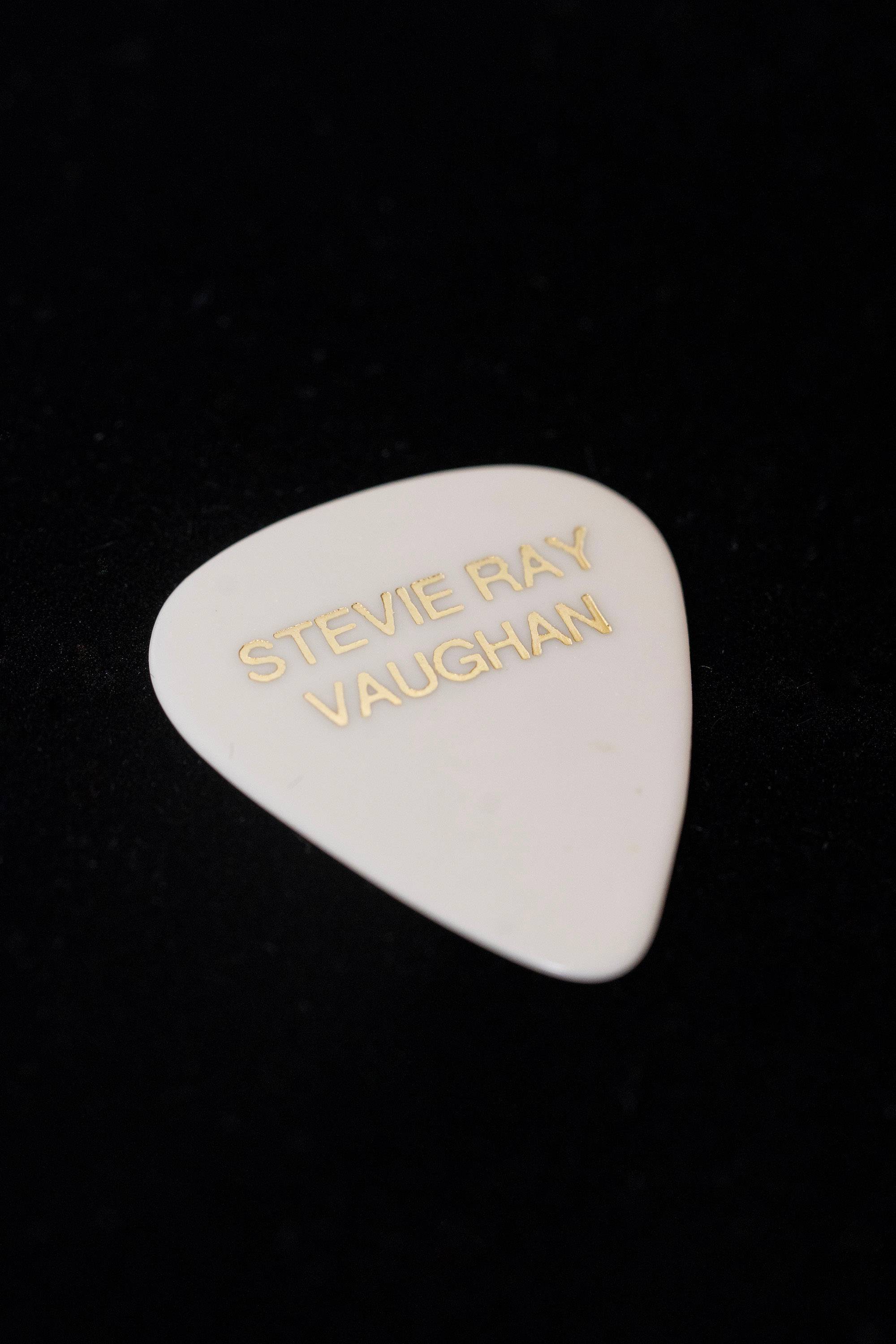
“Maybe the object is seemingly plain, like Stevie Ray Vaughan’s guitar pick. But then when you read the label, you come to find out that this was the guitar pick that he used in his last concert before he died in a helicopter accident,” Fountain says.
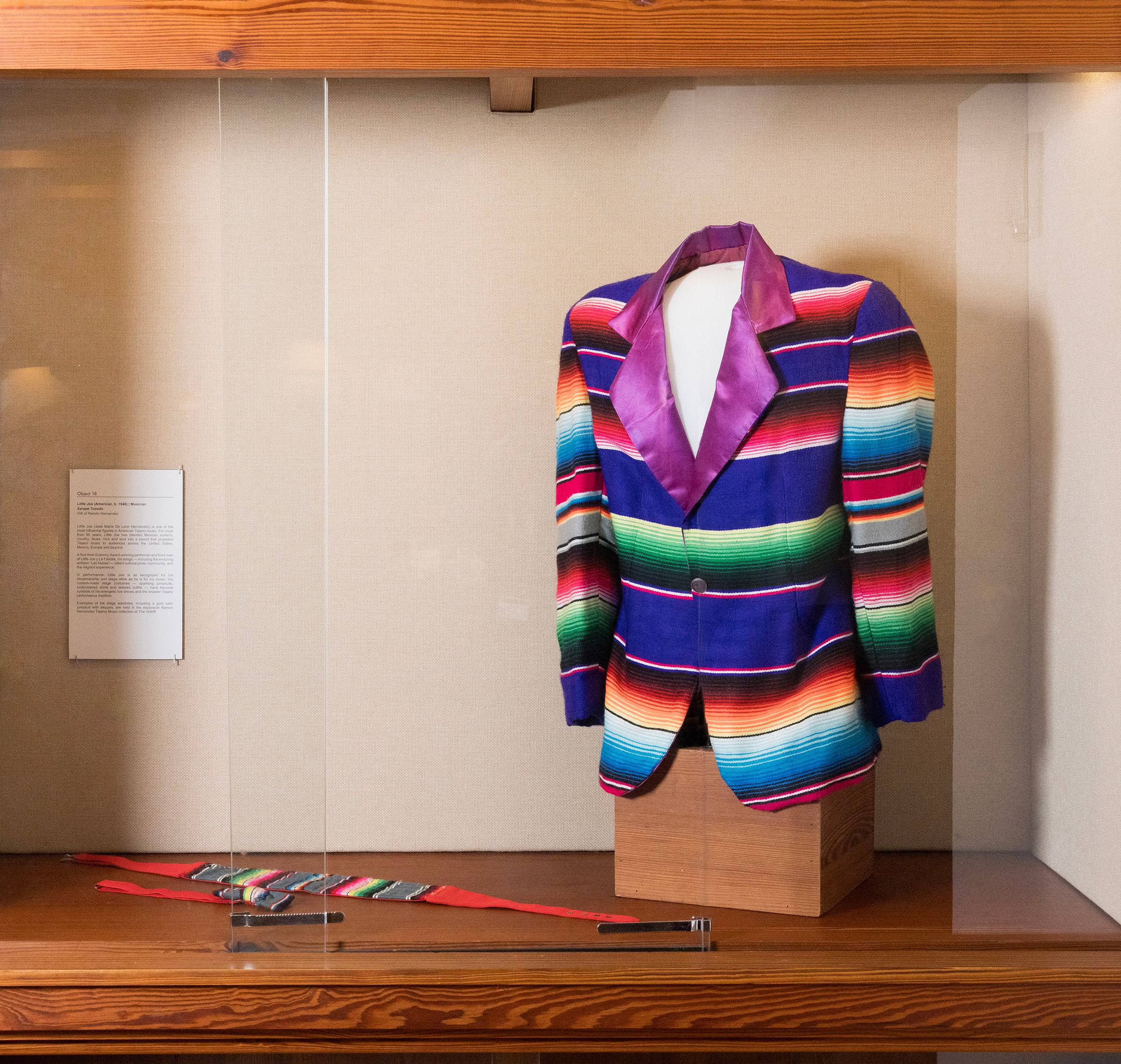
Another one of Fountain’s goals was to help people reevaluate how they see the American Southwest. Texas and the Southwest aren’t just represented by Western movies and cowboys. Fountain emphasized that there’s more to the region than that. A serape tuxedo worn by Little Joe Hernández is one example.
Little Joe Hernández
If you’re not familiar with Little Joe y la Familia, they were a pioneering Tejano band from Temple that emerged in the 1960s. The band’s songs were laden with polka beats, accordion, and emotional lyrics about love and heartbreak. The Texas State Historical Association describes Little Joe y la Familia as a “well-regarded artistic effort in code-switching between English and Spanish.”
The association also credits the Tejano band for having “embodied the Chicano self-identity espoused by the Chicano movement,” something especially meaningful in Texas, where Hispanics and Latinos now make up more than 40 percent of the population.
Little Joe isn’t only known for his showmanship, but also his eclectic stage costumes. The serape tuxedo on display is a symbol of his energetic live shows and the performative spirit of Tejano music.
“A tuxedo is like an emblem of status and wealth, of highfalutin society,” Fountain says. “And then to make it out of serape, which is a humble, Mexican, colorful fabric—it upends the idea of what a tuxedo is.”
Then, there are objects that pay tribute to the literary world. McCarthy’s writing desk is a physical centerpiece of the exhibit, beckoning visitors to take photos. McCarthy, who lived part of his adult life in El Paso, is considered one of the country’s greatest writers. He died in 2023, but during his lifetime, he won some of the country’s greatest literary honors, including the Pulitzer Prize for The Road and the National Book Award for All the Pretty Horses. Several of his works were adapted into films, including No Country for Old Men, which won an Academy Award for Best Picture.
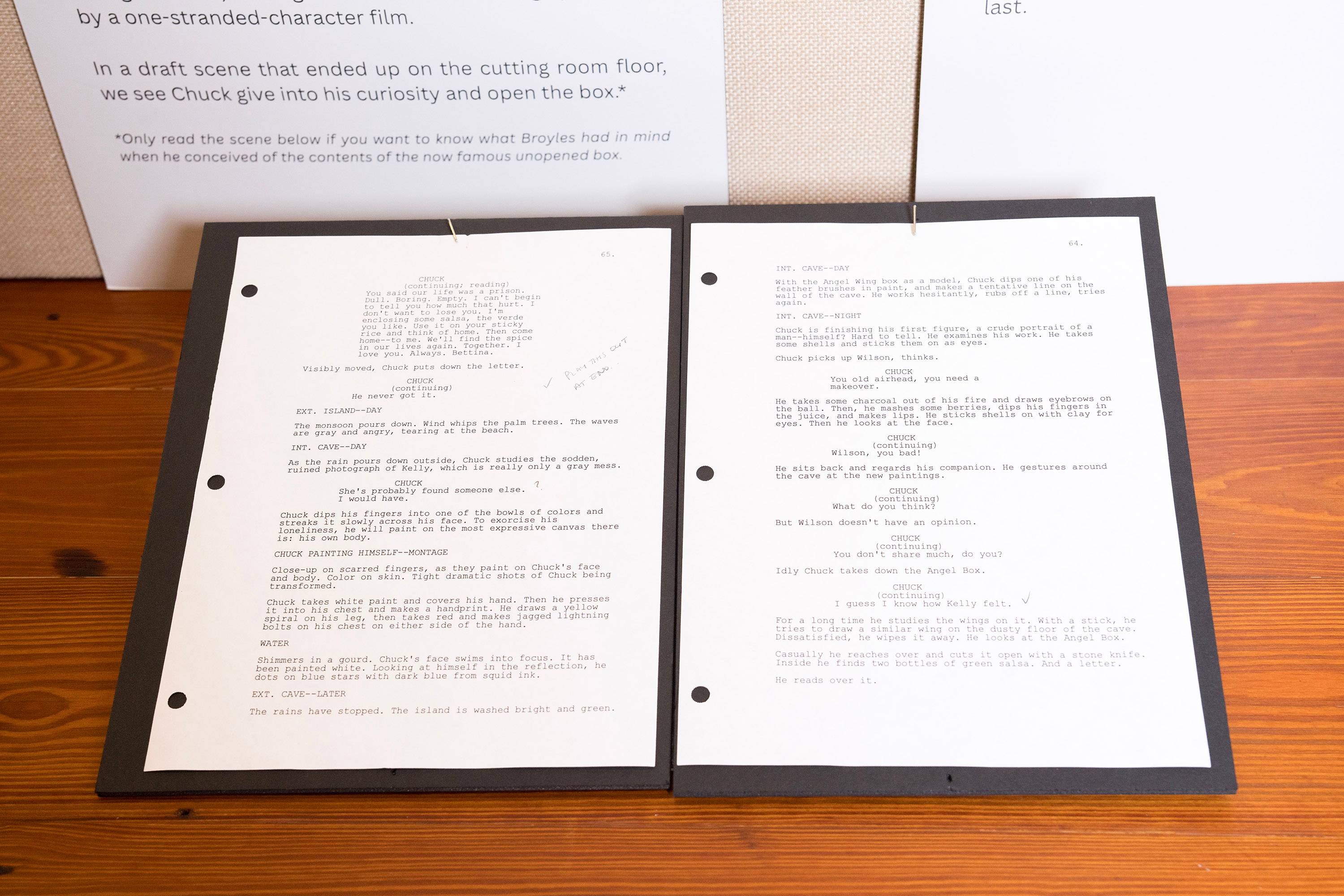
Alternate scene from the movie Cast Away.
Visitors can also look forward to reading an unreleased, alternate scene from the movie Cast Away, written by fifth-generation Texan William Broyles. The draft scene that ended up on the cutting room floor details what was in the box that Tom Hank’s character, Chuck Noland, never opened while he was stranded on a desert island. (The Wittliff’s archive chronicling Broyles’ career contains over 500 boxes of his papers.)
As The Wittliff wraps up its first 40 years, the collections’ caretakers are already looking ahead to the next 40.
“I want it to be a destination, not just a place where we’re preserving the literary and artistic heritage of the American Southwest, and not only an international destination for researchers,” Fountain says. “But also a destination where we're getting calls from people who want to get married at The Wittliff.”
The Wittliff currently counts on a literary curator, Texas music curator, and a photography curator to compile, collect, and manage the vast collection. There are plans to add a film and television curator to enhance that aspect of the already exceptional collection. If you’ve never visited The Wittliff, Fountain encourages you to stop by.
“There's literally not another place in the world like The Wittliff,” Fountain says.
Tatiana Salazar is a public information officer for TXST’s Division of Marketing and Communications. She writes stories for the TXST Newsroom, collaborates with media outlets, and helps develop communications and strategic messaging initiatives.