
Training for Tomorrow

With facility upgrades, the ALERRT Center is shaping the future of emergency response

At first glance, the isolated plot of land tucked behind the San Marcos Regional Municipal Airport looks like it could be a storage facility, with its collection of warehouse-style buildings and out-of-commission vehicles.

But these facilities are what Texas State University’s Advanced Law Enforcement Rapid Response Training (ALERRT) Center needs to train first responders in emergency-response tactics. The nondescript buildings are home to firing ranges, model classrooms equipped with surveillance cameras, and a plethora of weapon simulators, enabling the center to conduct scenario-based trainings throughout the year. 

Since its founding in 2002, ALERRT has trained more than 350,000 first responders, both at its San Marcos facility and in person around the world. In the coming years, with a slate of upgrades included in TXST’s 2025–2035 Campus Master Plan, ALERRT is poised to improve upon its mission of training first responders for active shooter response and expand its research into active shooter trends and response tactics.

“We expect all of this will help us continue broadening the scope of our work even more,” says Dr. J. Pete Blair, ALERRT’s executive director.
Since 2002 ALERRT has trained more than 350,000 first responders, both at its San Marcos facility and in person around the world.

Since joining ALERRT in 2009, Blair has seen ALERRT gradually expand its focus, initially training primarily law enforcement to now also training for firefighters and emergency medical personnel. “We see an avenue for us to continue growing our training and research capabilities and moving beyond just active shooting incidents," he says. 

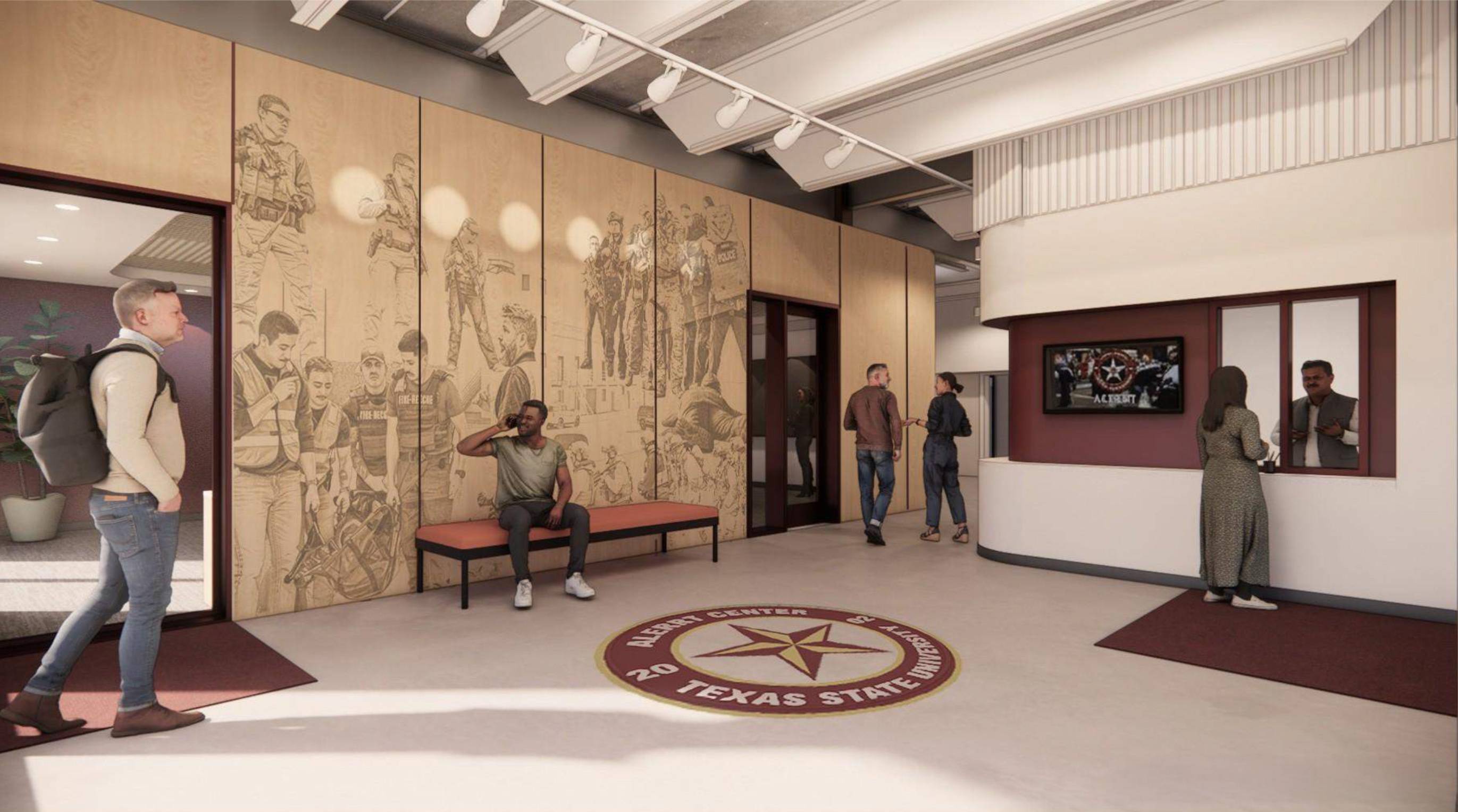
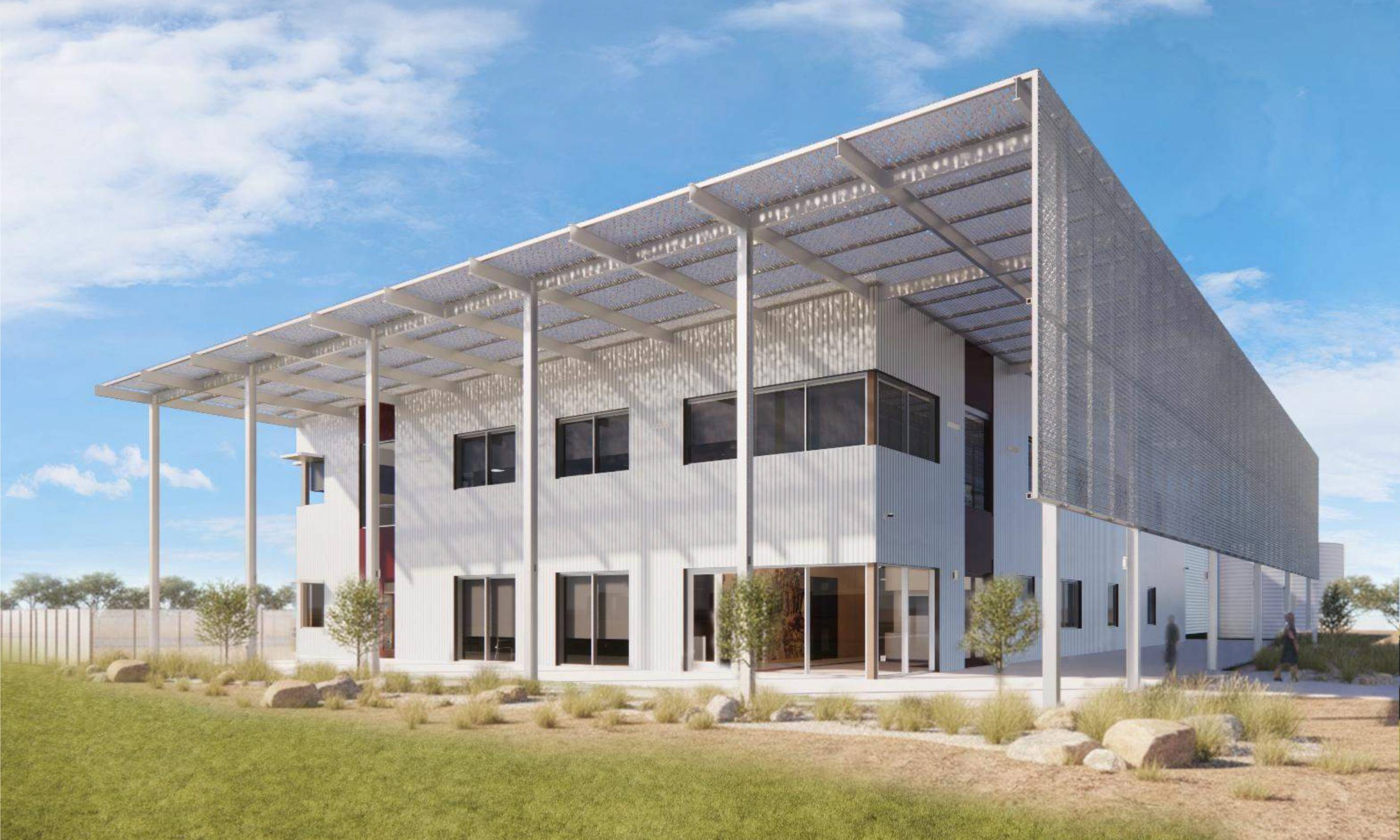
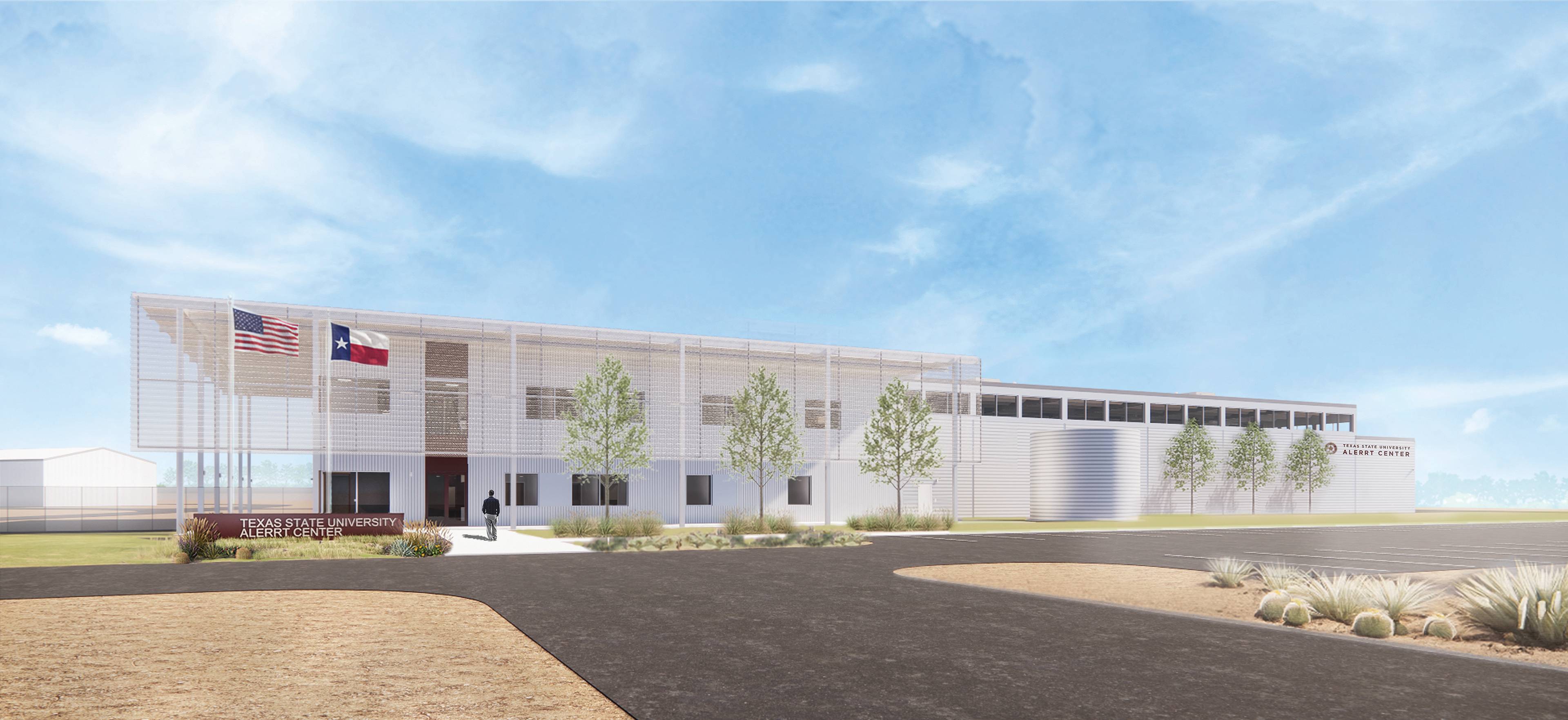
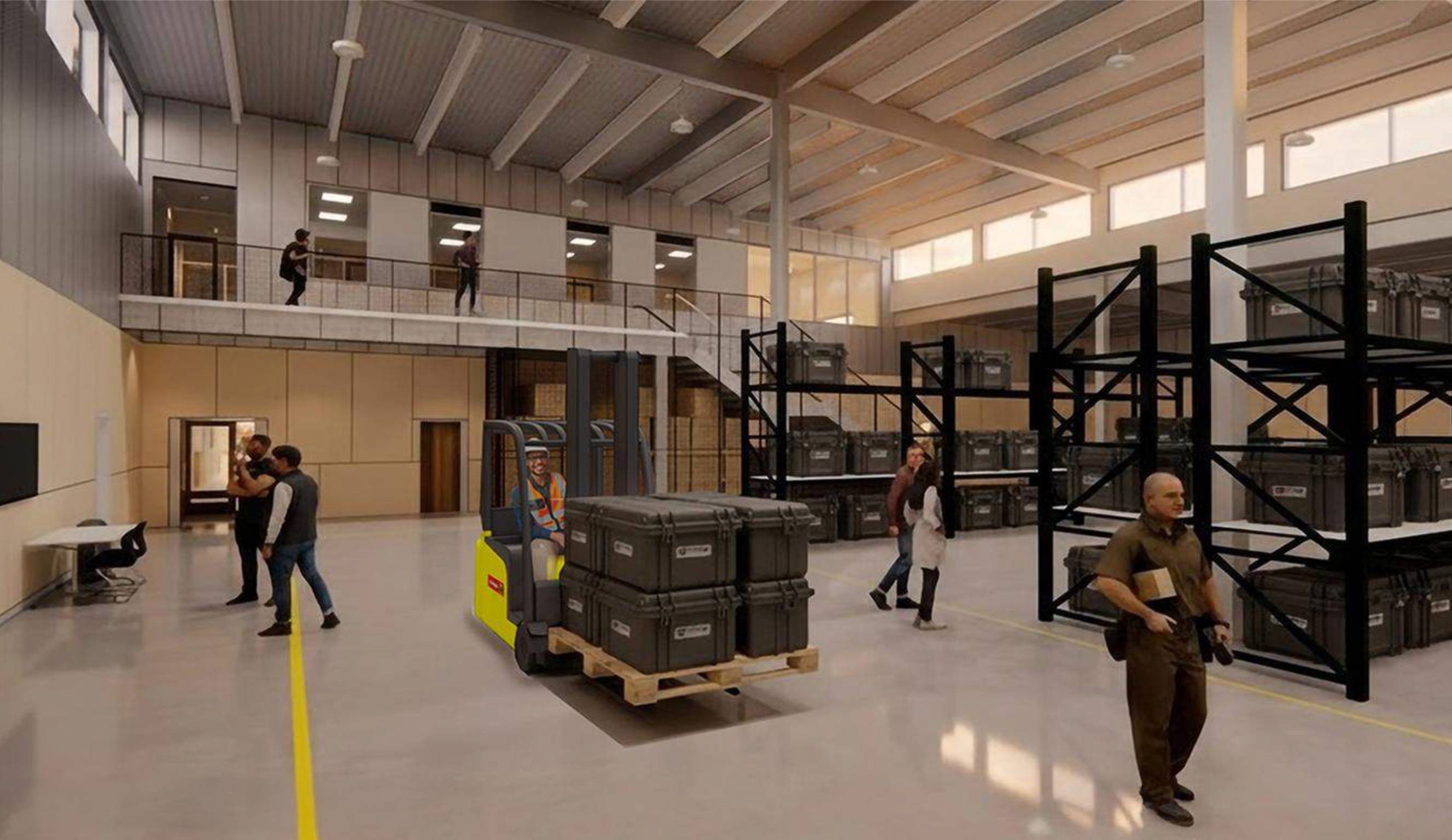
The Master Plan includes several projects for ALERRT: a new driving track for emergency simulations, a flexible shell building for the creation of multiple training environments, onsite housing for trainees, and new office space. The Texas legislature recently allocated $25 million to fund new facilities at the ALERRT training center. 

The housing will help the center accommodate police departments with smaller budgets that would otherwise have to find hotels, Blair says. The new office space will allow ALERRT’s full staff of over 50 employees, currently scattered between ALERRT’s training ground and the San Marcos Campus, to all be housed in one location.

“Anything we can do to help produce better officers who are able to do a better job, we absolutely want to be a part of that,” Blair says. “As the university grows, we know we’re going to have more opportunities to do just that.” 

Faculty and student researchers at TXST’s School of Criminal Justice are directly involved with ALERRT’s research. On the analysis side, their research involves looking at statistics from active shooter events to identify patterns and trends. On the tactical side, officers conduct training scenarios and study the efficacy of intervention methods and strategies for real-world solutions. 

The research findings and recommendations are shared directly with the FBI, which designated ALERRT as the national standard for active shooter response training in 2013.

“It’s the marriage of research and applied practice that really embodies what we do,” says John Curnutt, ALERRT’s assistant executive director.

One of the new realms of research ALERRT is spearheading is examining the mortality rates of law enforcement officers. The study shines a new light on the long-term health impacts that police officers experience from responding to emergency events. 

This new research focus underscores ALERRT’s ultimate goals of enhancing the safety and wellbeing of civilians and first responders, even after emergency incidents.

“Of course, we ultimately want to improve officers’ performance in real world situations, but we also have to remember we’re all humans,” Curnutt says. “As we further develop better systems and practices, we are going to be able to know more about and hopefully prevent long-term human impacts that these events have.”


Jeremy Thomas

Jeremy Thomas is a content marketing specialist for the TXST Division of Marketing and Communications. He helps coordinate content published to the TXST Newsroom and TXST News Twitter/X account.