
From Classroom to Curtain Call: How Texas State's Musical Theatre Program is Training a New Generation of Broadway Performers

Texas State University’s renowned Musical Theatre program prepares students with elite training that extends beyond performance to include industry skills, mental health, and overall well-being.

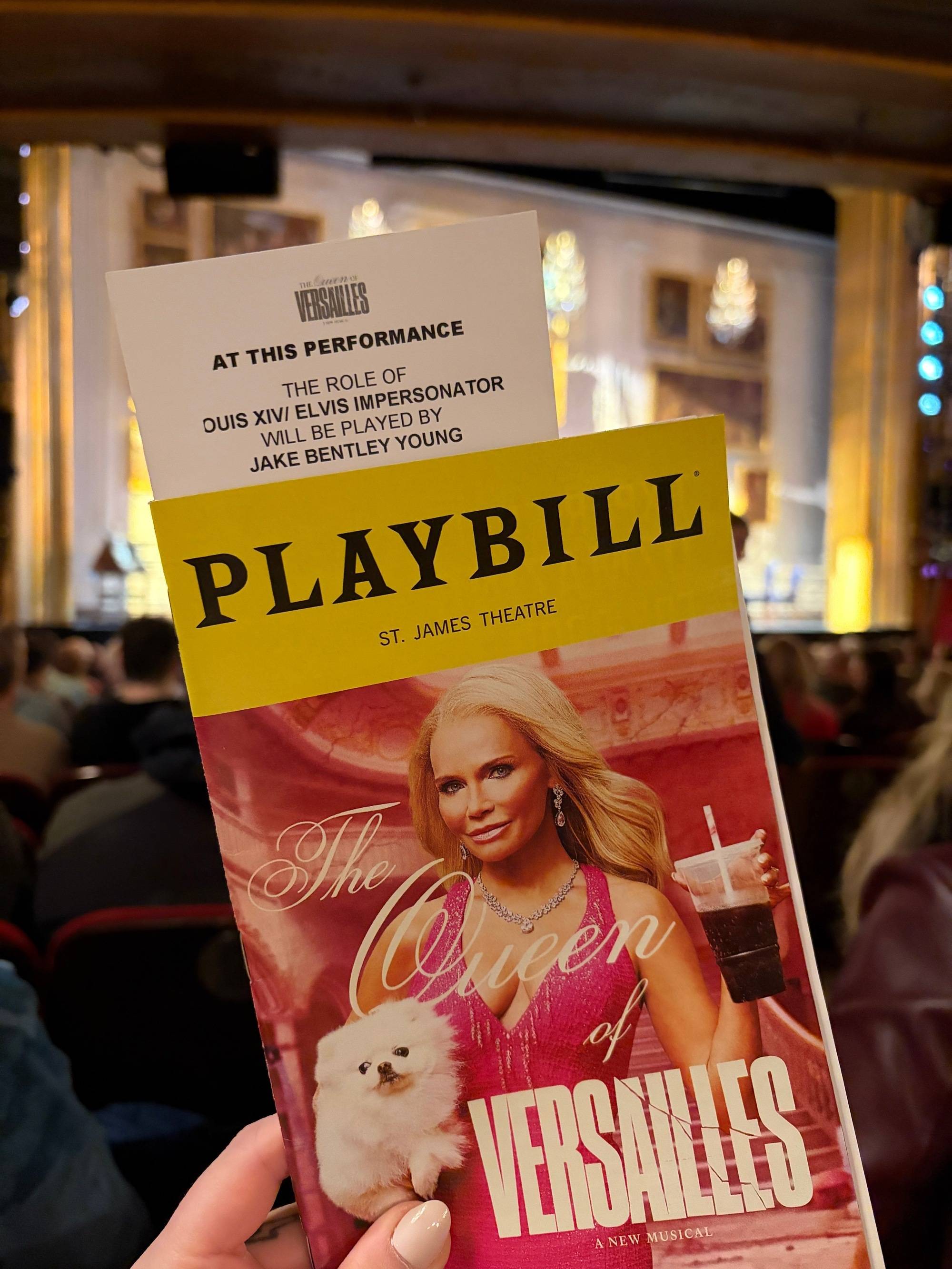
One evening last fall, 45 minutes before the curtain rose on the Broadway musical The Queen of Versailles, Jake Young got a call from the stage manager. One of the performers wasn’t feeling well, and Young, a “swing”—an actor who learns several parts and fills in for cast members as needed—would be going on in his place.  

Young, a 2020 graduate of Texas State University’s Musical Theatre program, donned the character’s eighteenth-century finery and elaborate wig. As the lights came up, he stepped onstage, sensing the anticipation that crackled through the packed St. James Theatre. It was Young’s Broadway debut, the moment he’d worked toward throughout his education at TXST. The program had given him the performance skills he needed to succeed in the industry. Just as importantly, it had taught him how to prioritize his health, manage stress, and maintain his equilibrium while working in a notoriously volatile profession.

“Texas State was an environment where I could grow into the man I wanted to become, beyond my life in theater,” Young says. “I attribute my success and happiness to what I learned there: growth mindset, life balance, and a willingness to put myself in positions of minor discomfort.”
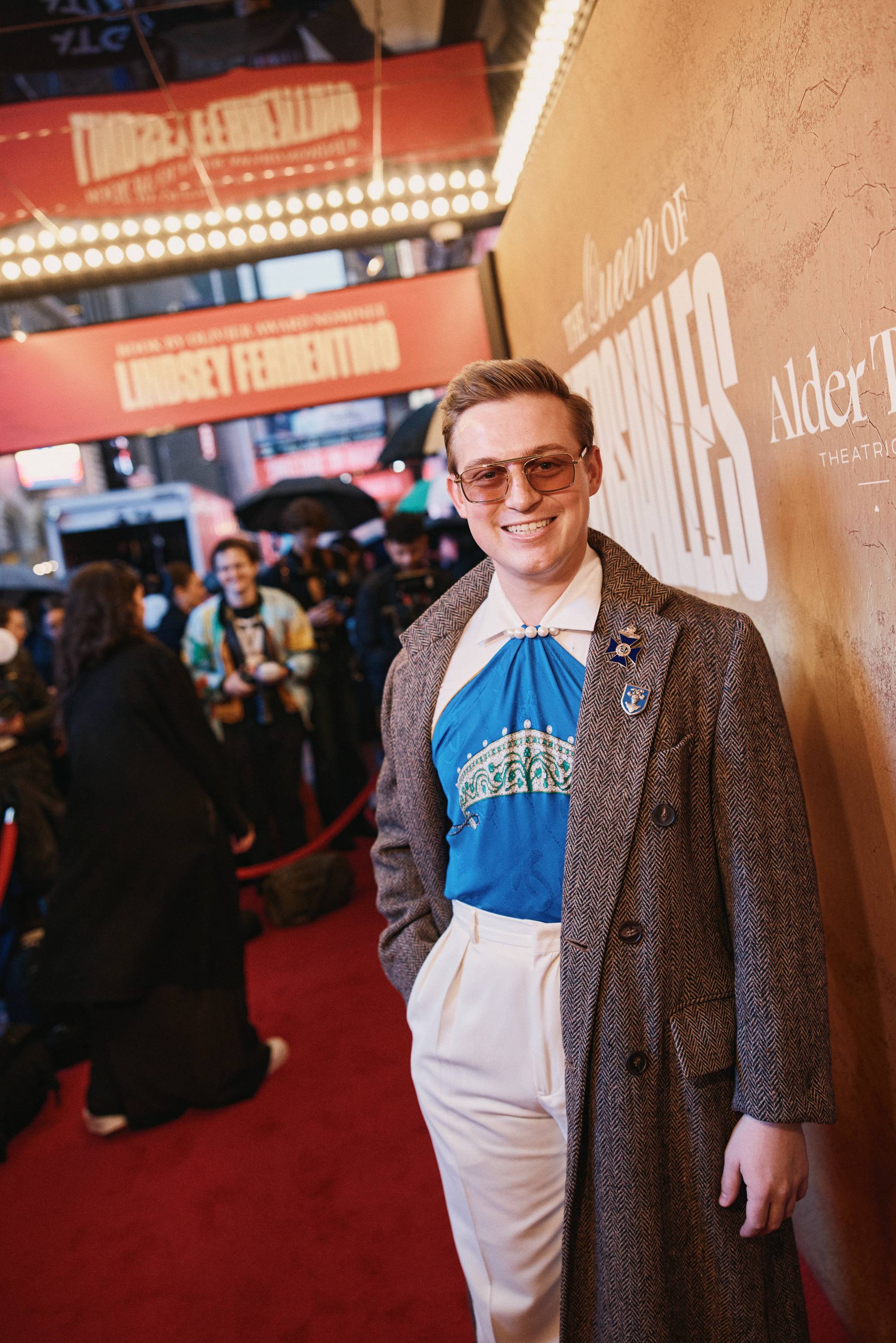

Jake Young

jake young standing on a red carpet wearing a long brown coat
jake young posing for a photo with three women
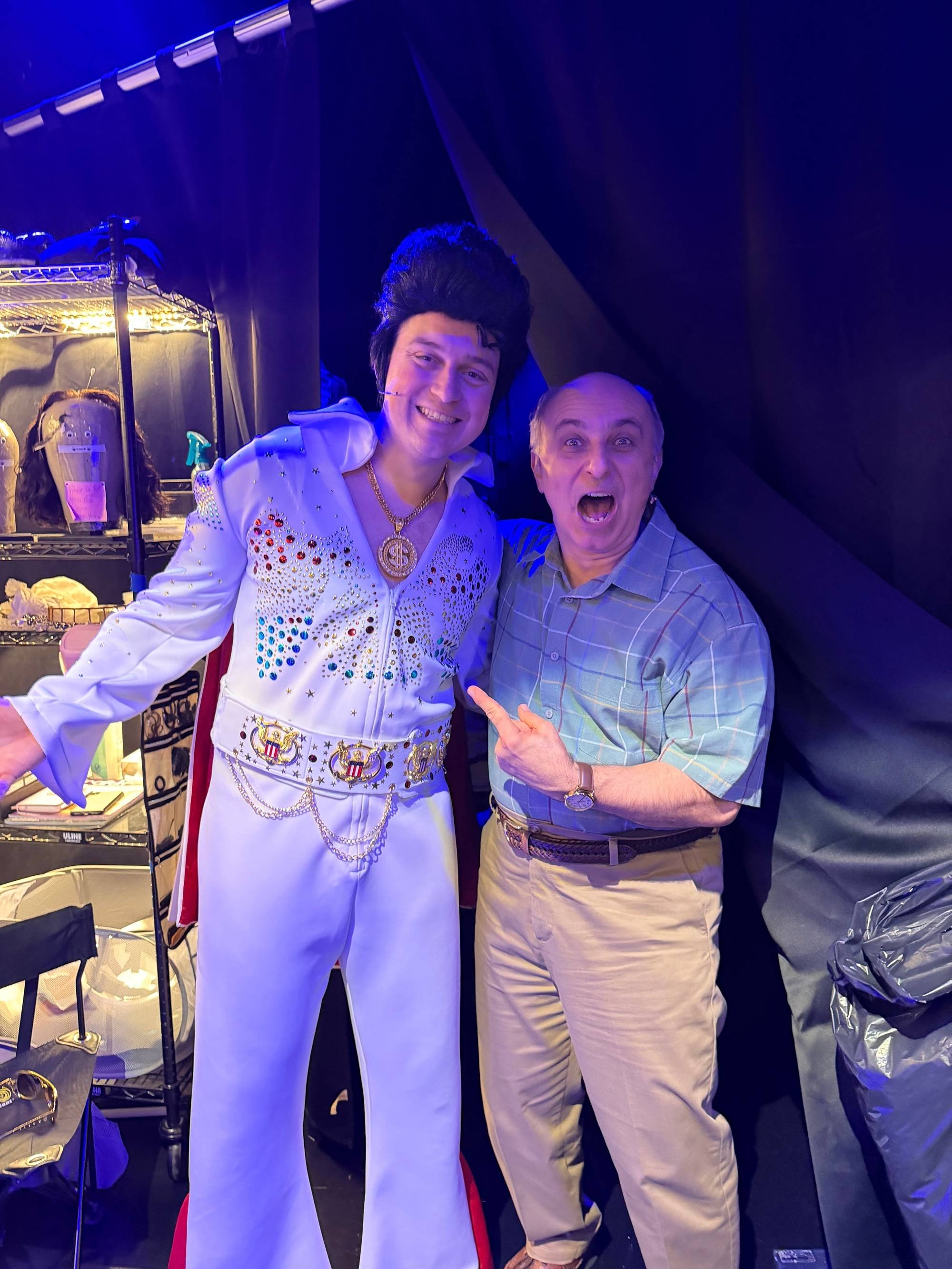
man in an elvis costume poses for a photo with another man. the other man is pointing at elvis with an excited look on his face.
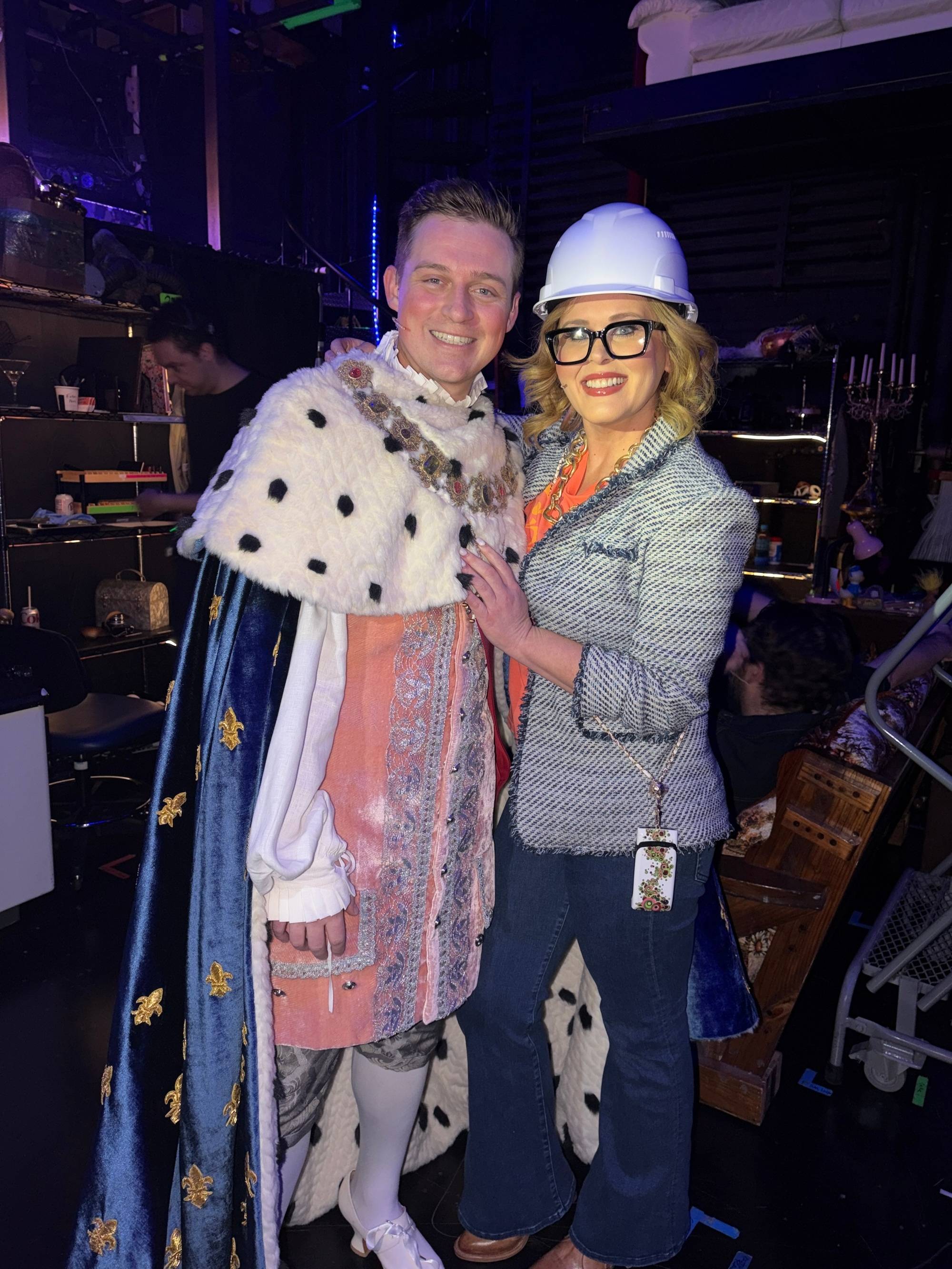
man dress in a king costume poses for a photo with a woman in a hard hat.
playbill for The Queen of Versailles that shows Jake Young will be playing a role in the night's performance.
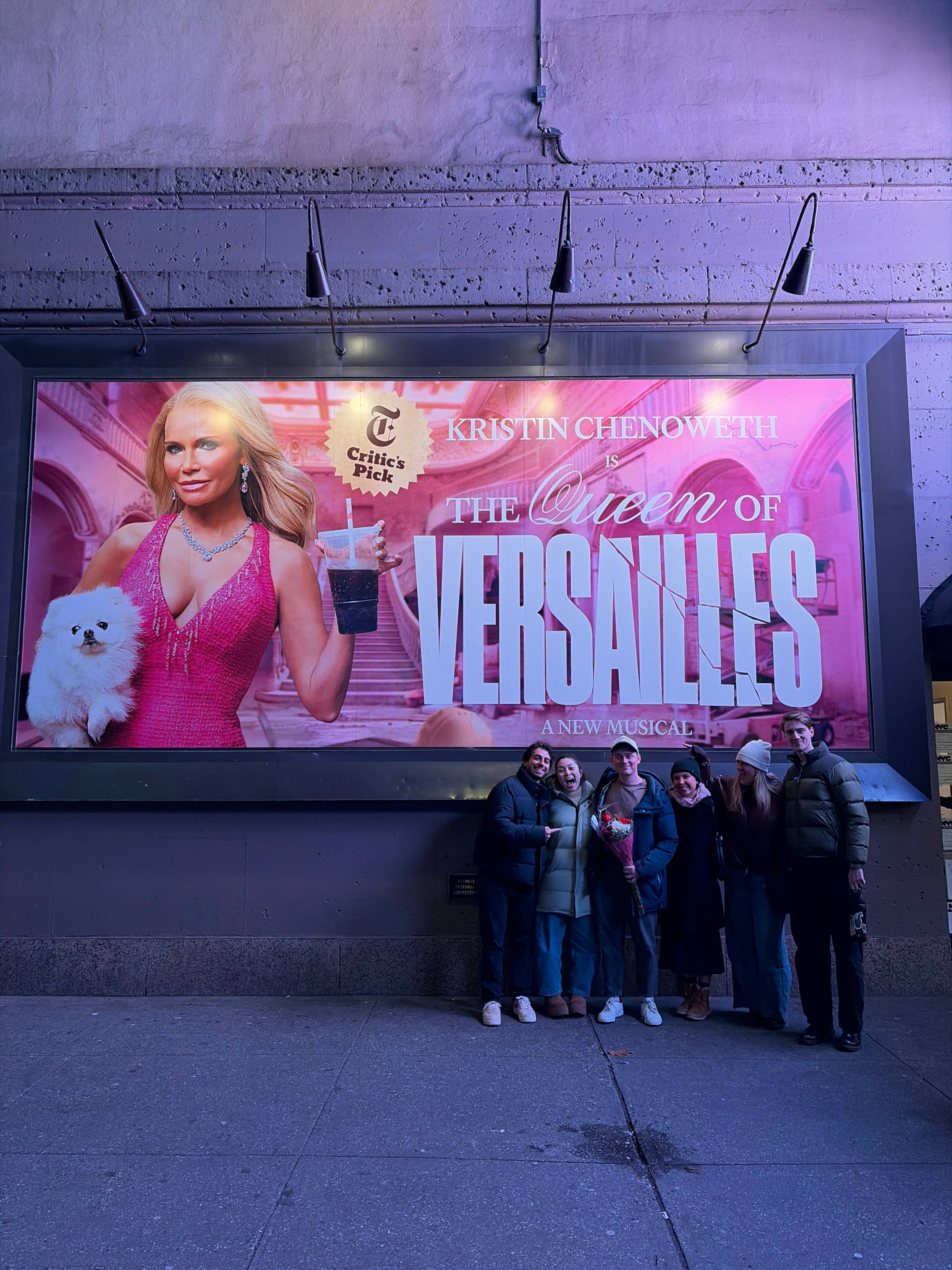
Jake Young and family members pose for a photo next to a large billboard for The Queen of Versailles

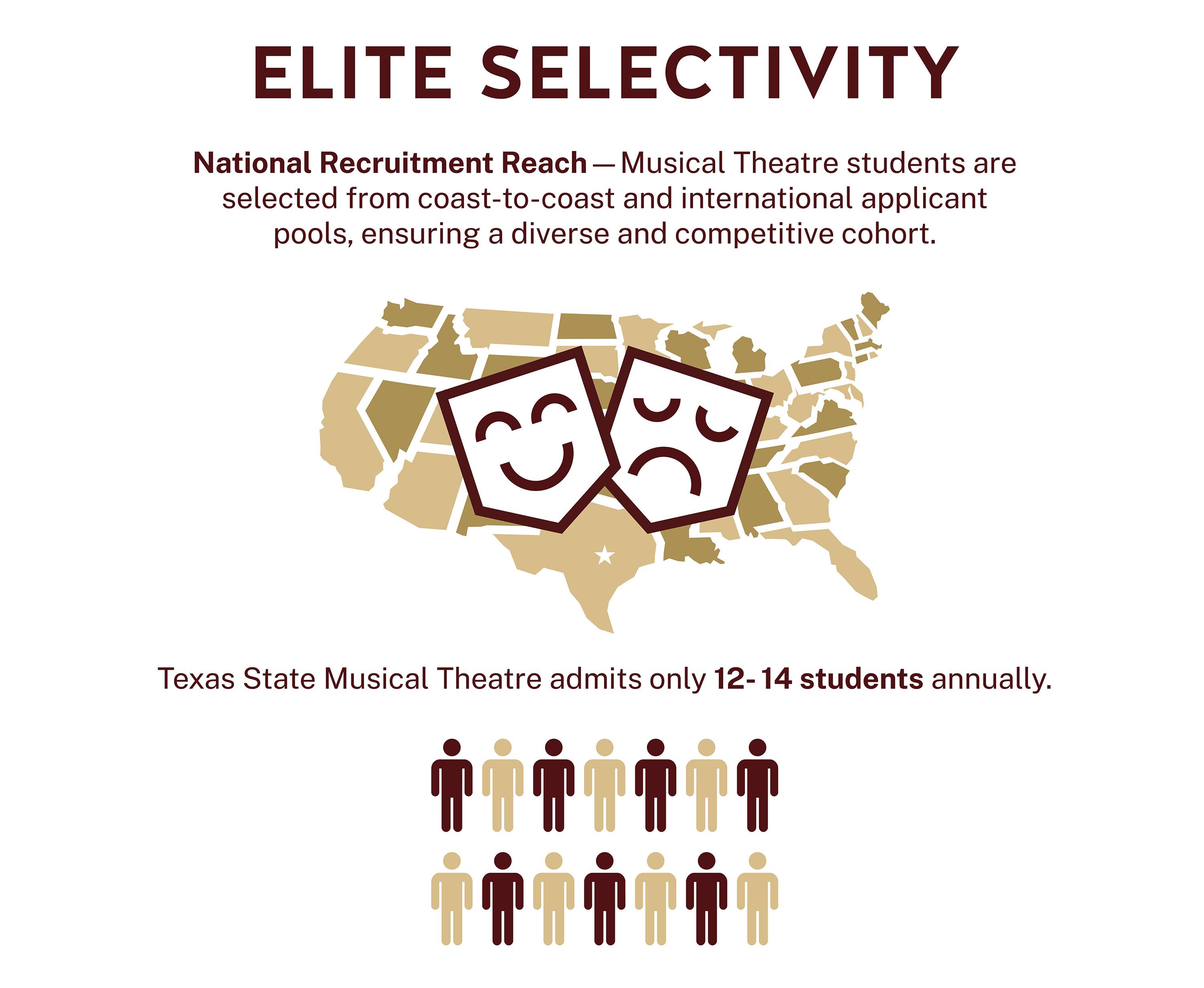
Just 15 years old, TXST’s Musical Theatre BFA program has become recognized as a powerhouse. The Hollywood Reporter ranks the TXST School of Theatre, Dance, and Film as the No. 22 college drama program in the world, with the Musical Theatre program being a significant part of that. Admission is fiercely competitive: The program prescreens 900 applicants each year, invites 250 to audition, and chooses a class of 12 to 14 freshmen.  

The program’s graduates have achieved wide-ranging success. They’ve starred in productions such as Smash and Real Women Have Curves on Broadway and in national tours such as Beauty and the Beast and & Juliet. They’ve also made waves in TV and films, working alongside big names including Tina Fey in the TV series The Four Seasons and Australian actor and director Rebel Wilson in her films Girl Group and Senior Year.  

But graduates say that, beyond technique and connections, the program teaches them to stay grounded and become collaborative, kind, and open-minded human beings. Faculty members say this is an important aspect of the program because it equips graduates to handle the rigors of a profession that can be an emotional roller coaster.

“We’re trying to help them grow not just as artists but as people,” says John Fleming, dean of the College of Fine Arts and Communication. “We’re demanding but supportive, and we expect students to succeed, which builds their confidence.”

Graphic titled “Elite Selectivity” showing a U.S. map to illustrate nationwide and international recruitment for musical theatre students. Text notes that Texas State Musical Theatre admits only 12–14 students annually, accompanied by a small group of person icons representing the limited cohort size.

The program launched in 2009 under the direction of Broadway veteran Kaitlin Hopkins, who designed it based on feedback from her industry network. Hopkins consulted with both recent college graduates, who told her what they wish they’d learned in school, and agents and casting directors, who told her what they wanted to see in new talent. Today’s Musical Theatre faculty are all working professionals who direct, choreograph, produce, and perform around the world and frequently invite colleagues to visit campus as guest artists.  

“We are connected, we are current, and we are giving them boots-on-the-ground training and information,” says Kiira Schmidt Carper, an assistant professor and one of the program’s three co-heads.

She and her colleagues tweak the curriculum as the industry evolves. For instance, in recent years, many new musicals have featured pop music rather than traditional scores in the style of Rodgers and Hammerstein. TXST’s program invited a guest artist to train students in rock-pop vocal technique and then added an entire class on pop music. The department has similarly augmented its ballet and jazz curriculum with courses on hip-hop and other contemporary dance styles. “It’s about giving students current information that is directly applicable to the world of auditions and the industry,” Carper says.  

The program also includes a significant emphasis on mental health. “We focus on the whole student,” Fleming says. “We want them to be able to deal with life stresses and to be able to have a career, not just be in a show.” A series of lessons address stress response, breathing and meditation techniques to calm preperformance jitters, and ways for students to take care of themselves physically and mentally. 

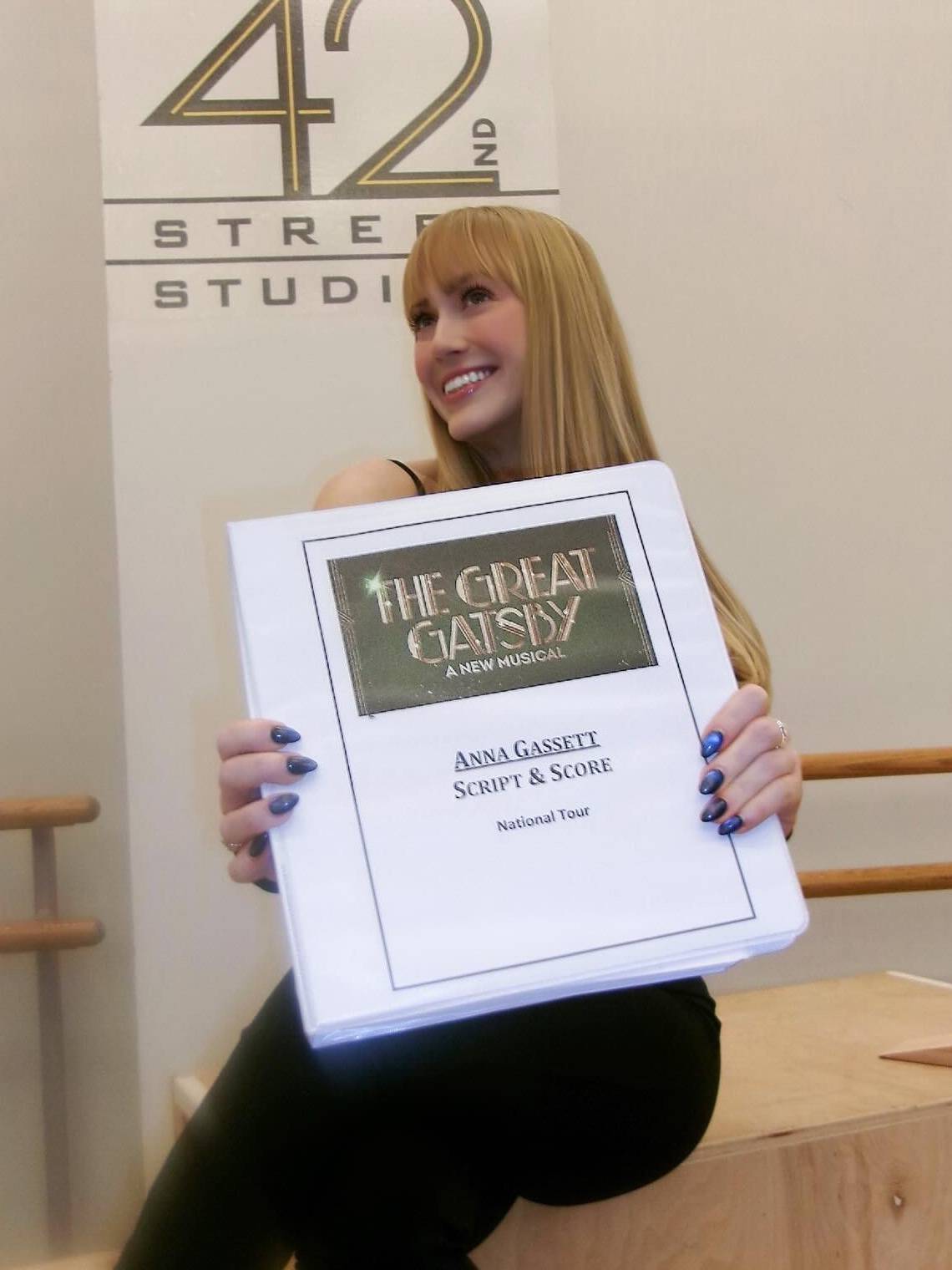
“This industry is really tough mentally, and just breaking the stigma of talking about mental health is the No. 1 thing,” says Anna Gassett, a 2023 graduate. A dancer in the North American tour of The Great Gatsby, Gassett uses a breathing-and-counting technique she learned at TXST to relax before auditions and performances. “I’ll get super nervous, my brain is running a mile a minute, and my heart’s beating really fast,” she says. “This tool gets my brain off of that nervous energy and calms down my nervous system.” 

Anna Gassett

woman sits while holding up a white binder that contains her script for The Great Gatsby on Broadway
d
Photo by Evan Zimmerman for MurphyMade
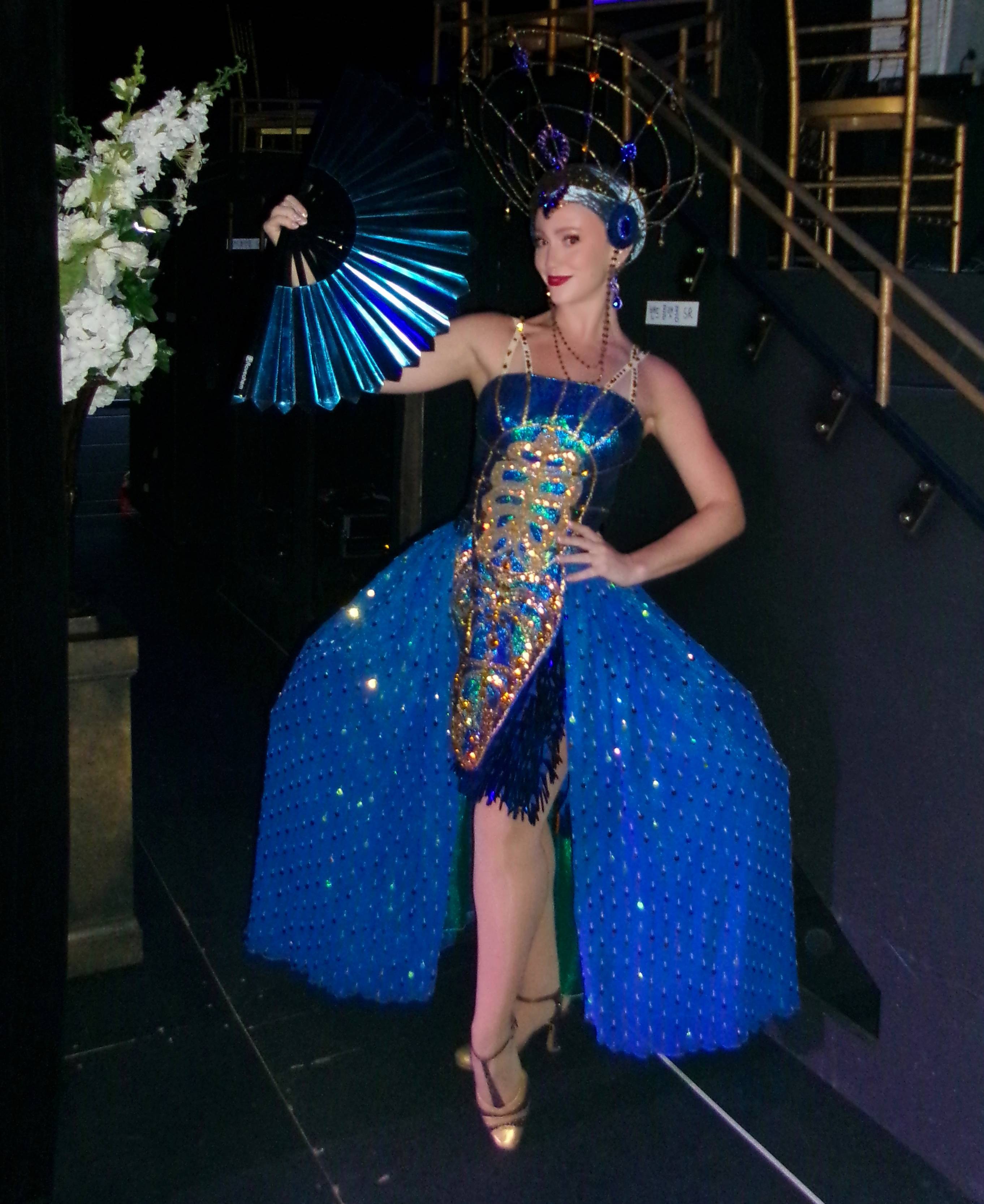
woman in blue custom holds up blue colored hand fan
woman wearing a costume from the 1920's looking into the mirror
woman wearing ballgown stands next to vintage maroon car

The TXST program also covers “the business of the business,” including financial literacy, budgeting, and contract negotiation. Bobcats graduate understanding the idiosyncrasies of the industry—such as the fact that performers on tour must file taxes in every state they visit that has a state income tax.

Days after graduation, each Musical Theatre cohort travels to New York City for its showcase, a 45-minute performance composed of mini performances by each new graduate. “It’s like their personal introduction to the industry,” Carper explains. Casting directors, managers, and agents attend to scout new talent and schedule follow-up interviews and auditions.  

After they leave Texas State, the program’s graduates say, their “whole person” education keeps them grounded and focused.

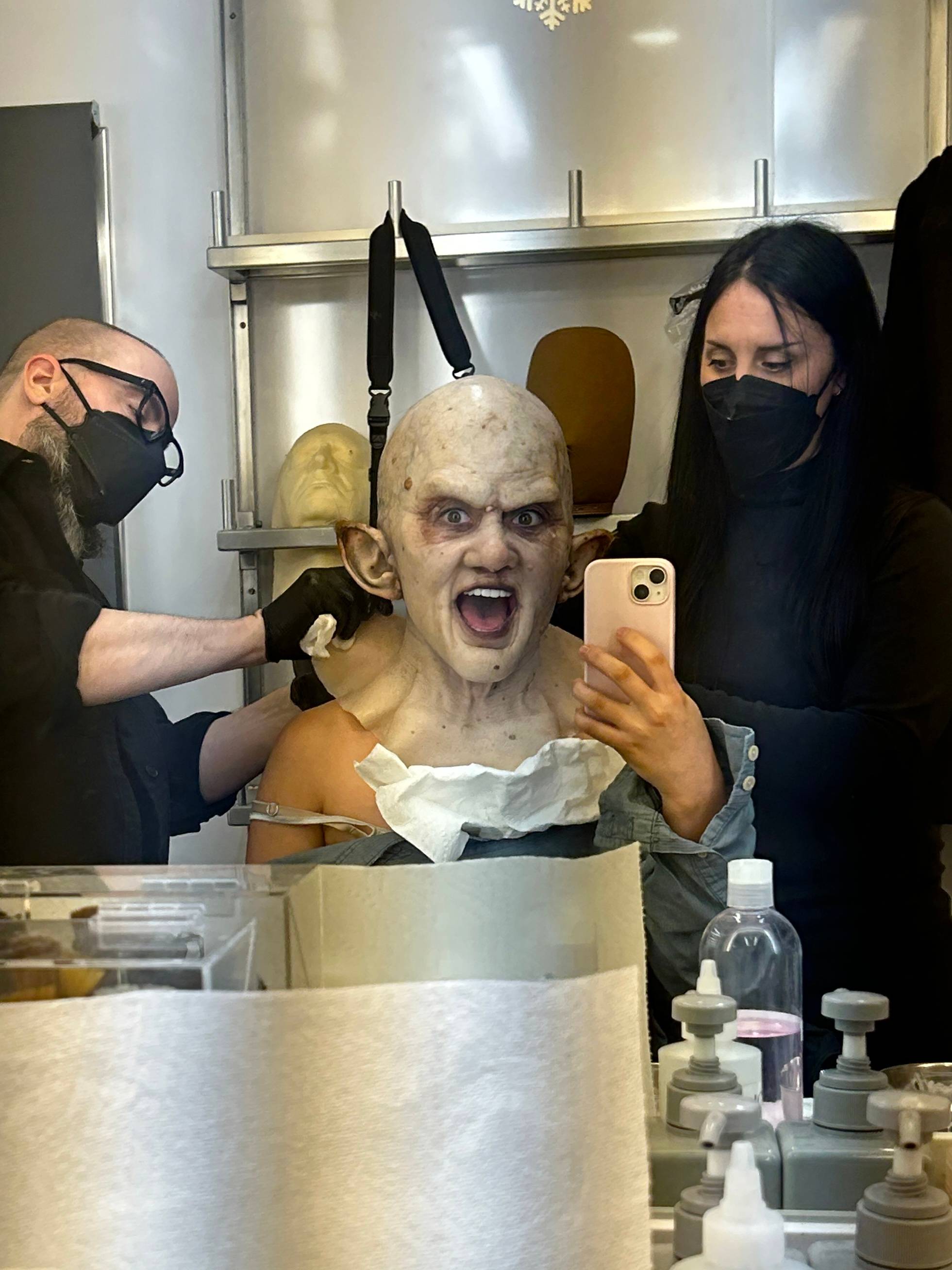
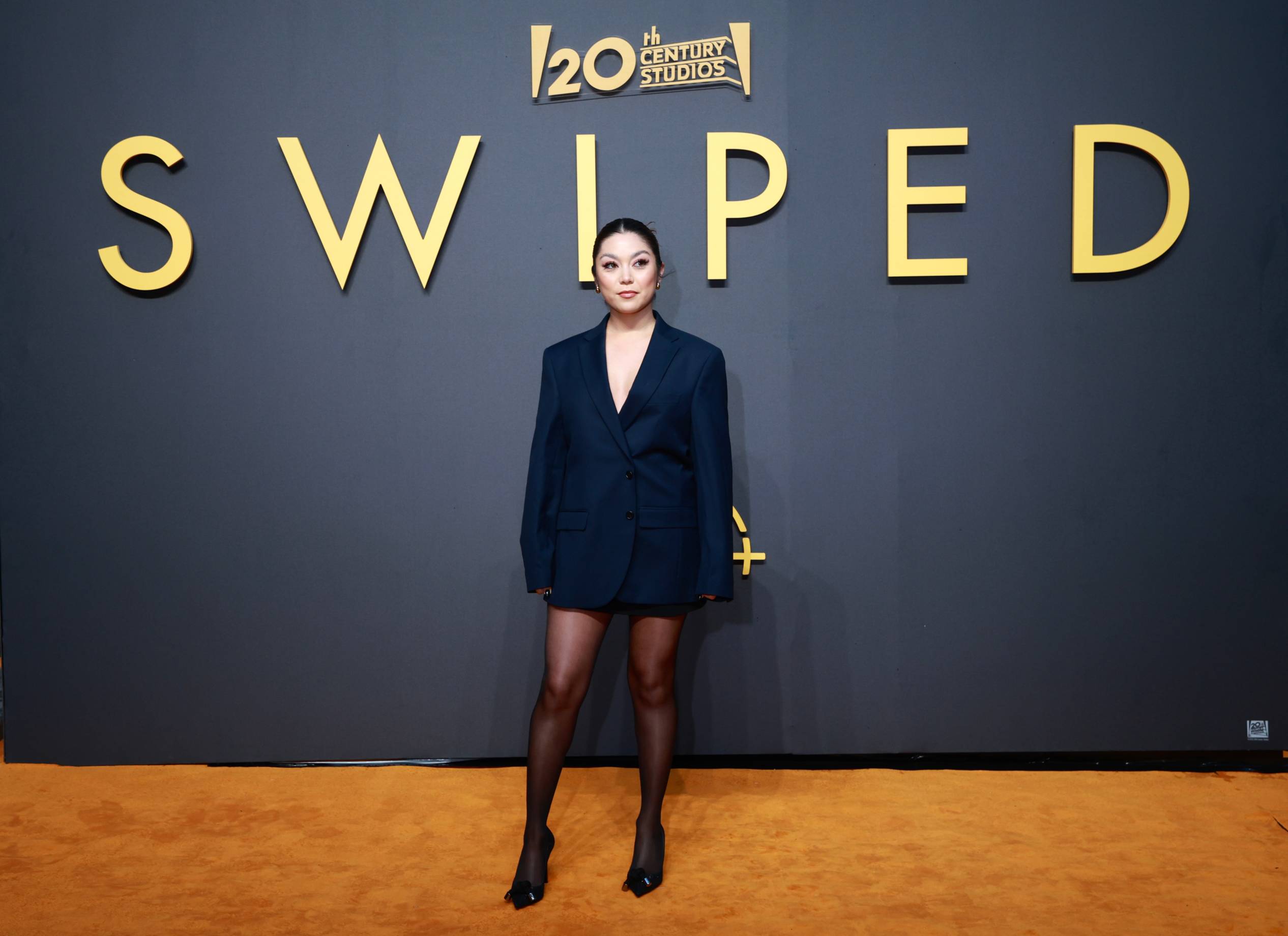
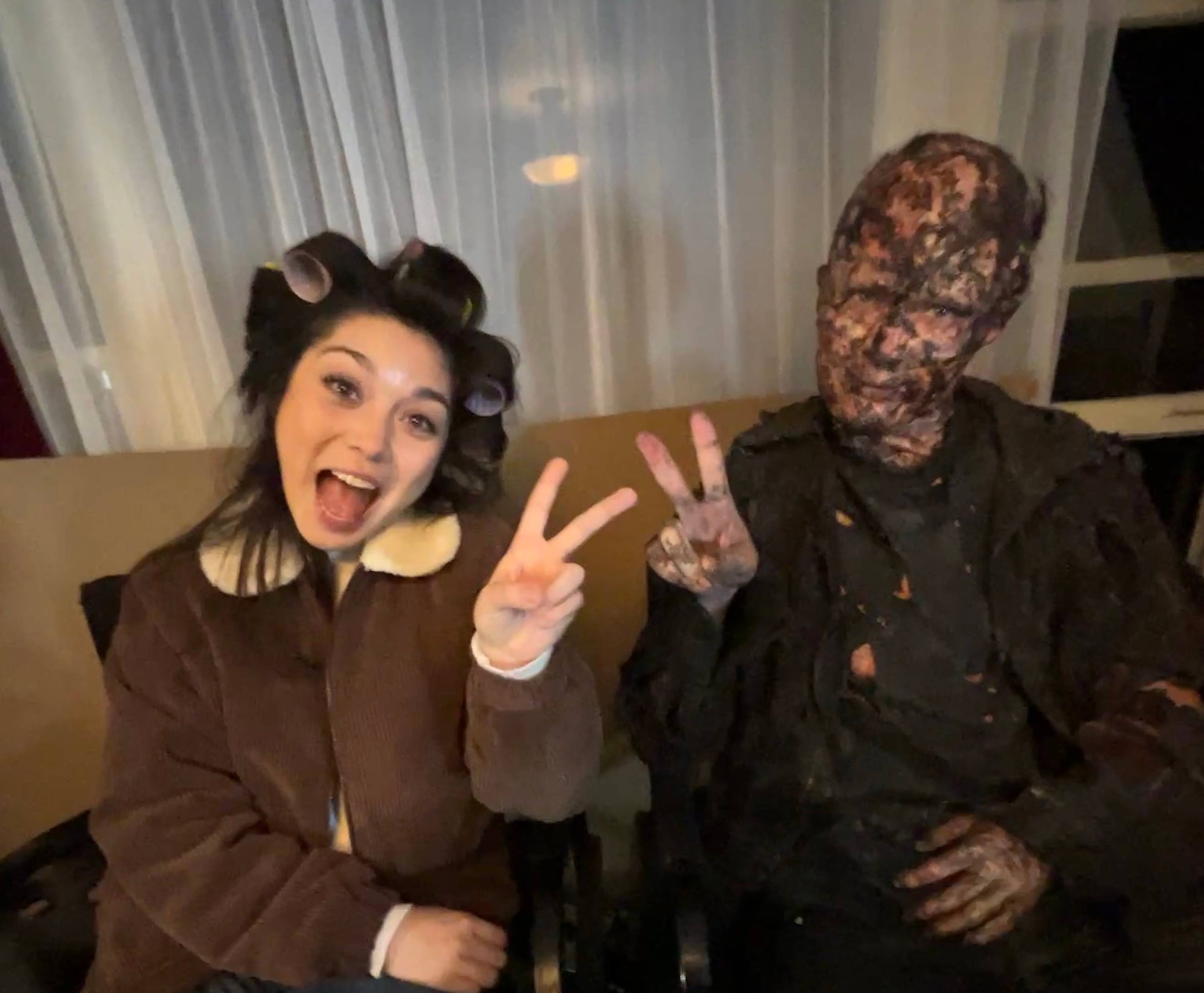
“The faculty and the friends I made taught me how to be the consummate professional, how to be kind, and, most importantly, how to take care of myself,” says Ana Yi Puig, a 2020 graduate who has been featured in the Disney+ television series Goosebumps and the upcoming Rebel Wilson film Girl Group

“Those practical life skills and work ethic are actually what’s more helpful than technique,” Puig says. 

“Texas State doesn’t mold young people to fit an industry. It encourages young people to be so authentically themselves that by the time they get into the professional industry, the industry has to make room for them.”  

Ana Yi Puig

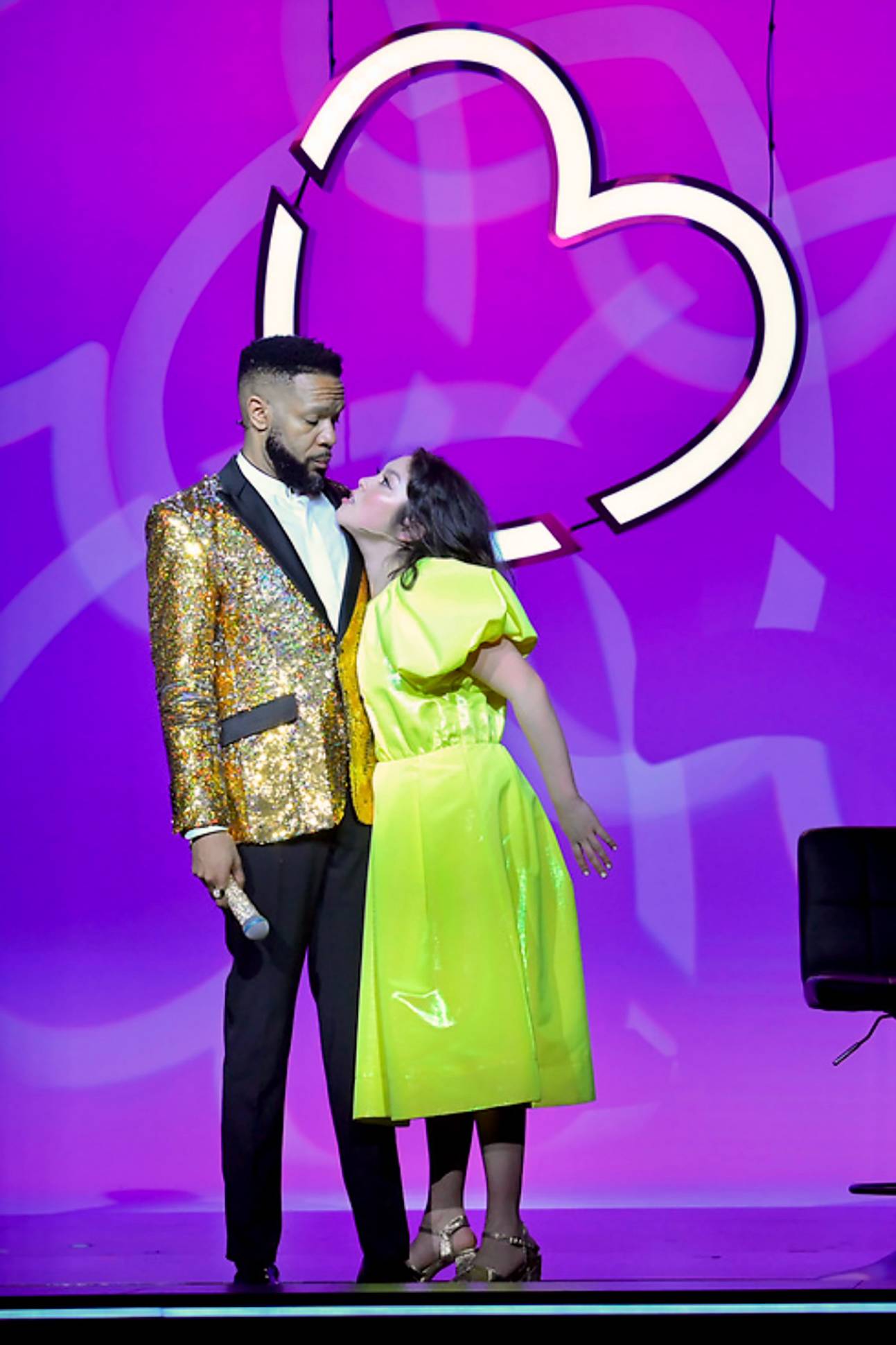
woman in bright green dress looks up at man in sparkly gold blazer
woman takes a selfie while getting special effects make up put on.
anna yi puig headshot
anna yi puig poses on red carpet
anna yi puig poses for photo with man in special effects make up. they are holding up peace signs

Robyn Ross

Austin-based independent journalist Robyn Ross has written for many university magazines as well as Texas Monthly and The New York Times.