Prairie Fire Hair owner Kelly Engram understands the struggle of hair loss and the challenge of adjusting to a changing appearance. Engram, who is also an assistant professor in the TXST School of Journalism and Mass Communication, began losing her hair more than 15 years ago. She has androgenic alopecia, which is exacerbated by Hashimoto’s disease, an autoimmune disorder.
She says most people who wear wigs don’t call attention to it. “Being a wig wearer—especially if you’re wearing a wig for medical reasons or for hair loss reasons—can be a lonely space.”
Engram started Prairie Fire Hair as an online shop with five wigs in May 2025. She was motivated to provide quality wigs, personal guidance, and compassionate support—an experience she found was missing when she first began wearing wigs more than a decade ago.
“I wanted to form a community around that,” she says. “You actually go through a grief process. There is just something about hair.”
Prairie Fire Hair has since developed an international customer base, shipping wigs to customers as far away as Australia, Pakistan, and Romania. Her studio in San Marcos, located on Hunter Road, opened in June 2026 as demand continued to grow for ethically sourced wigs made with real human hair.
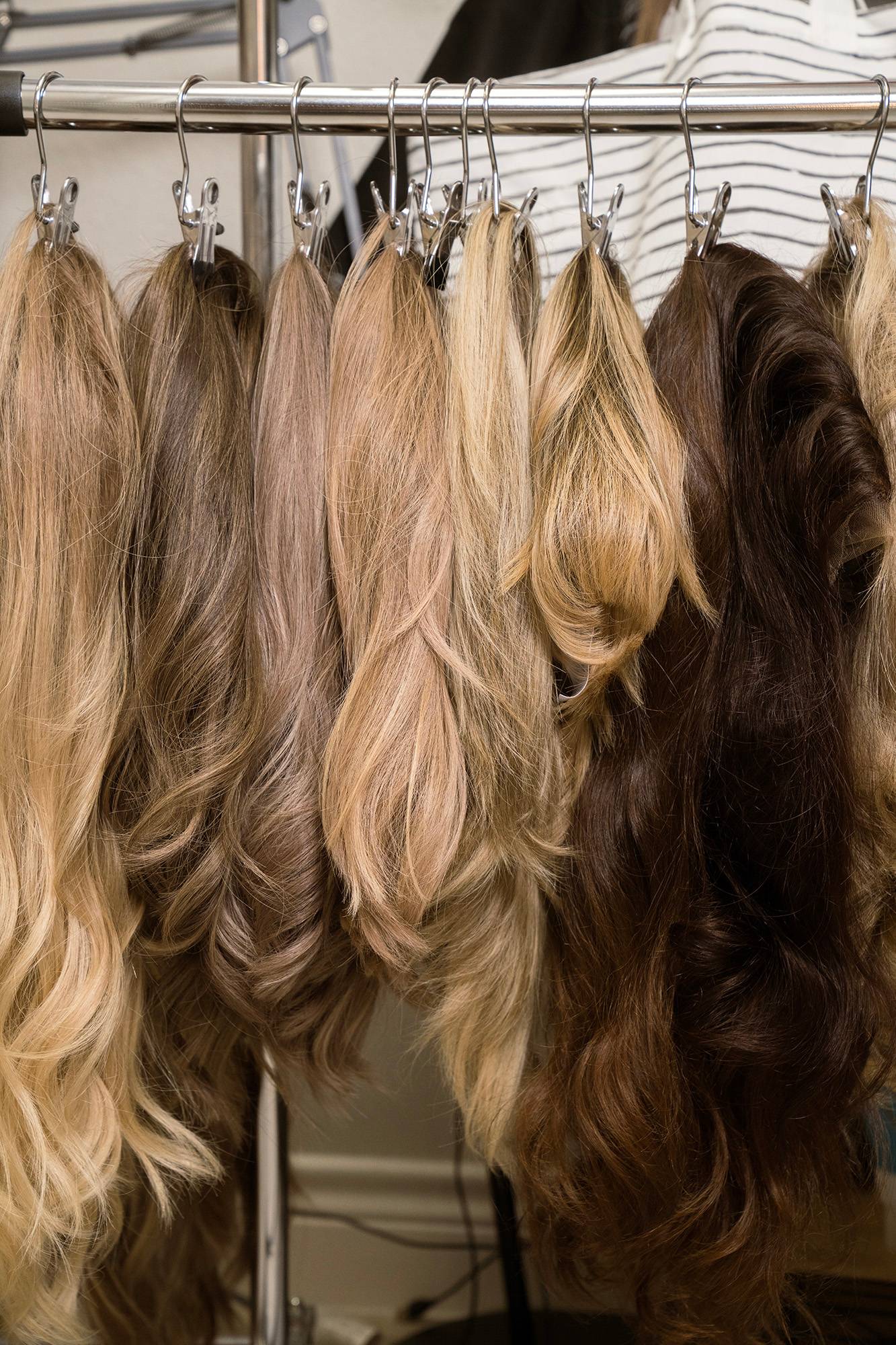
The wig industry sources hair from many different countries. Some of the premium hair comes from Eastern Europe, but India is the largest supplier, she says. “That’s because it’s actually a religious practice [in India] to donate your hair to temples. Those temples then sell that hair to brokers.”
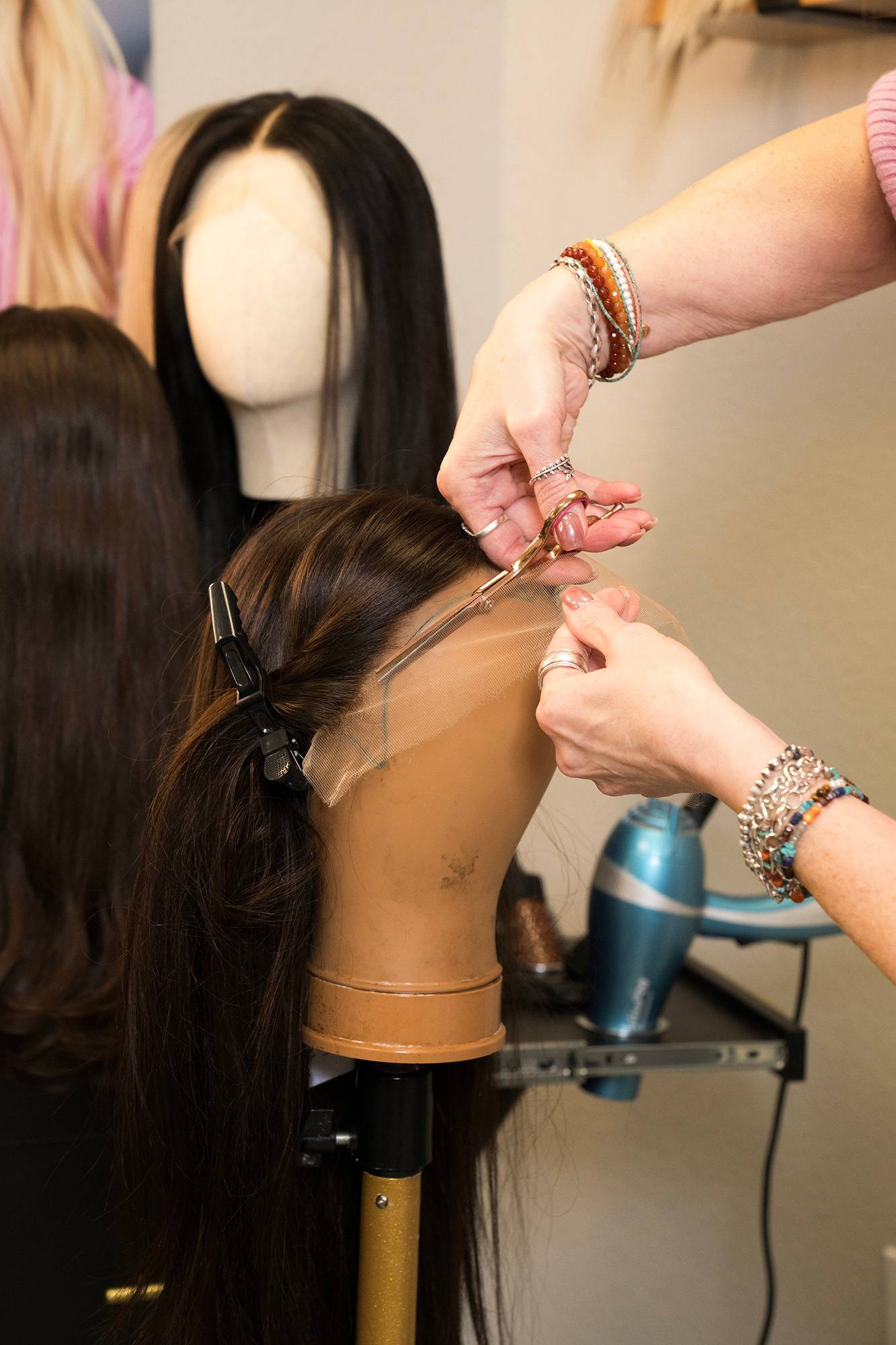
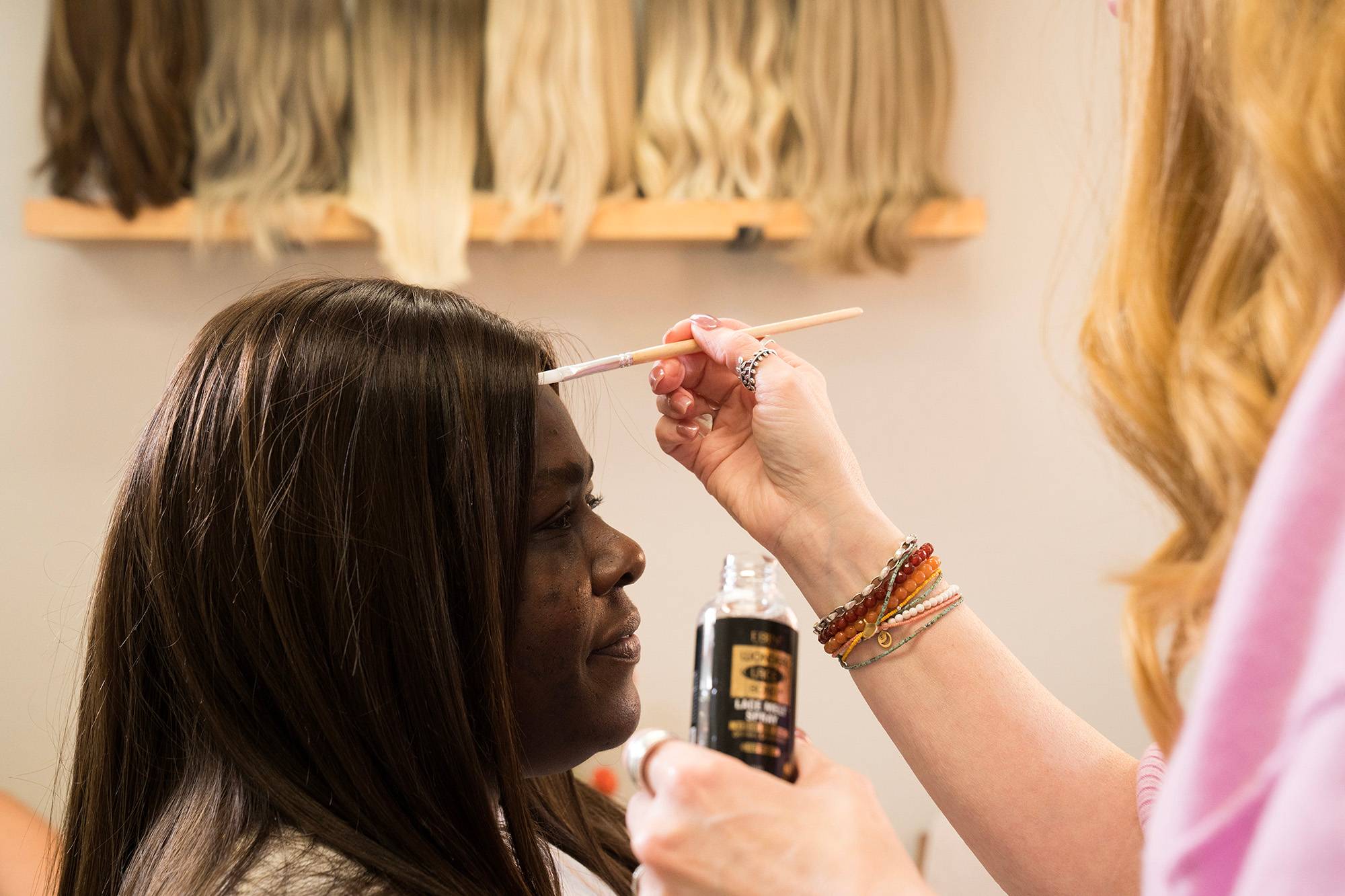
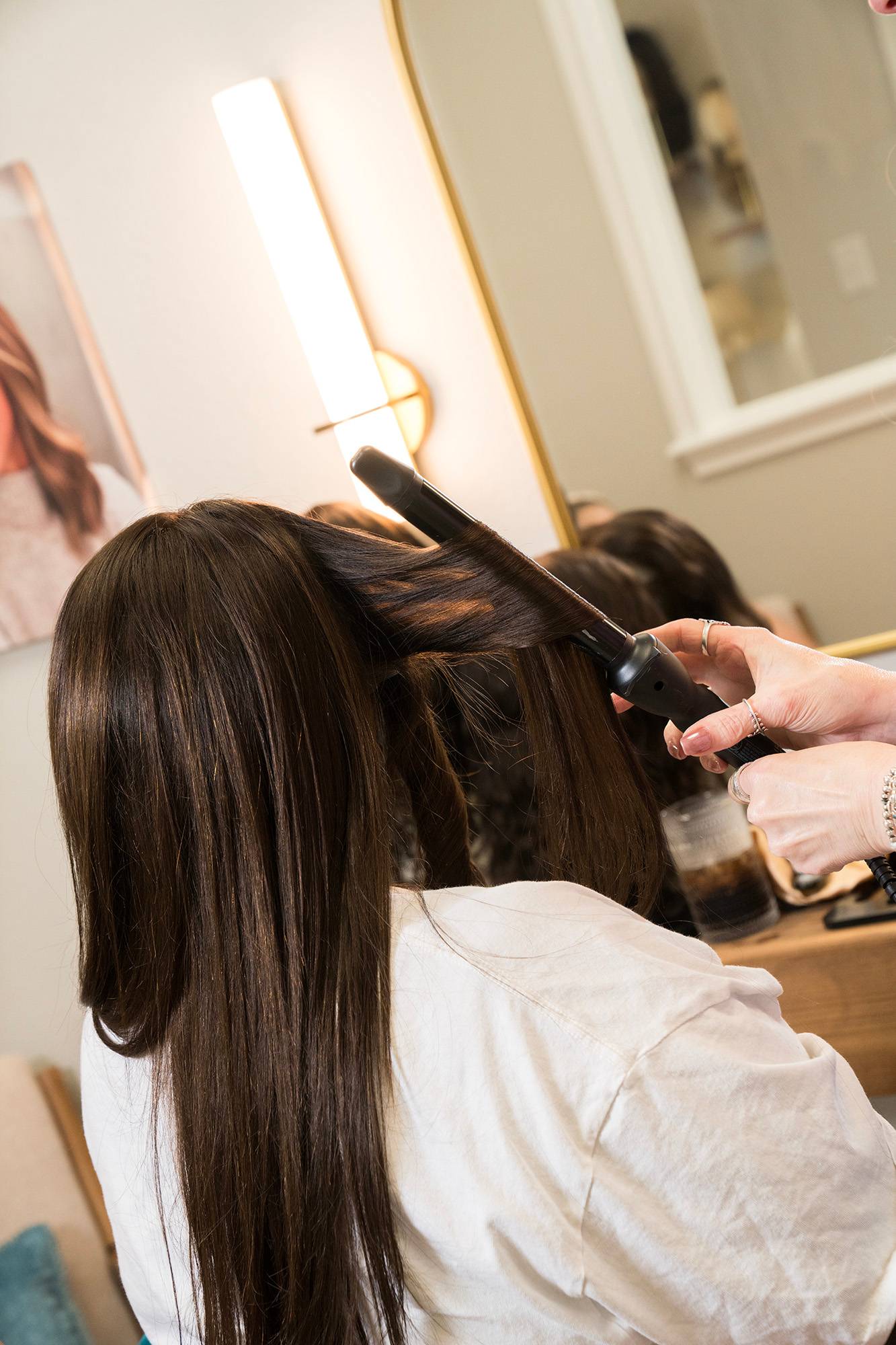
Engram gets her wigs made in China, where manufacturers work to her specifications regarding elements such as hair type, cap construction, sizing, density, and length. “We then do additional customization and finishing through Prairie Fire Hair depending on the individual piece, including coloring, cutting, styling, and fitting,” she says.
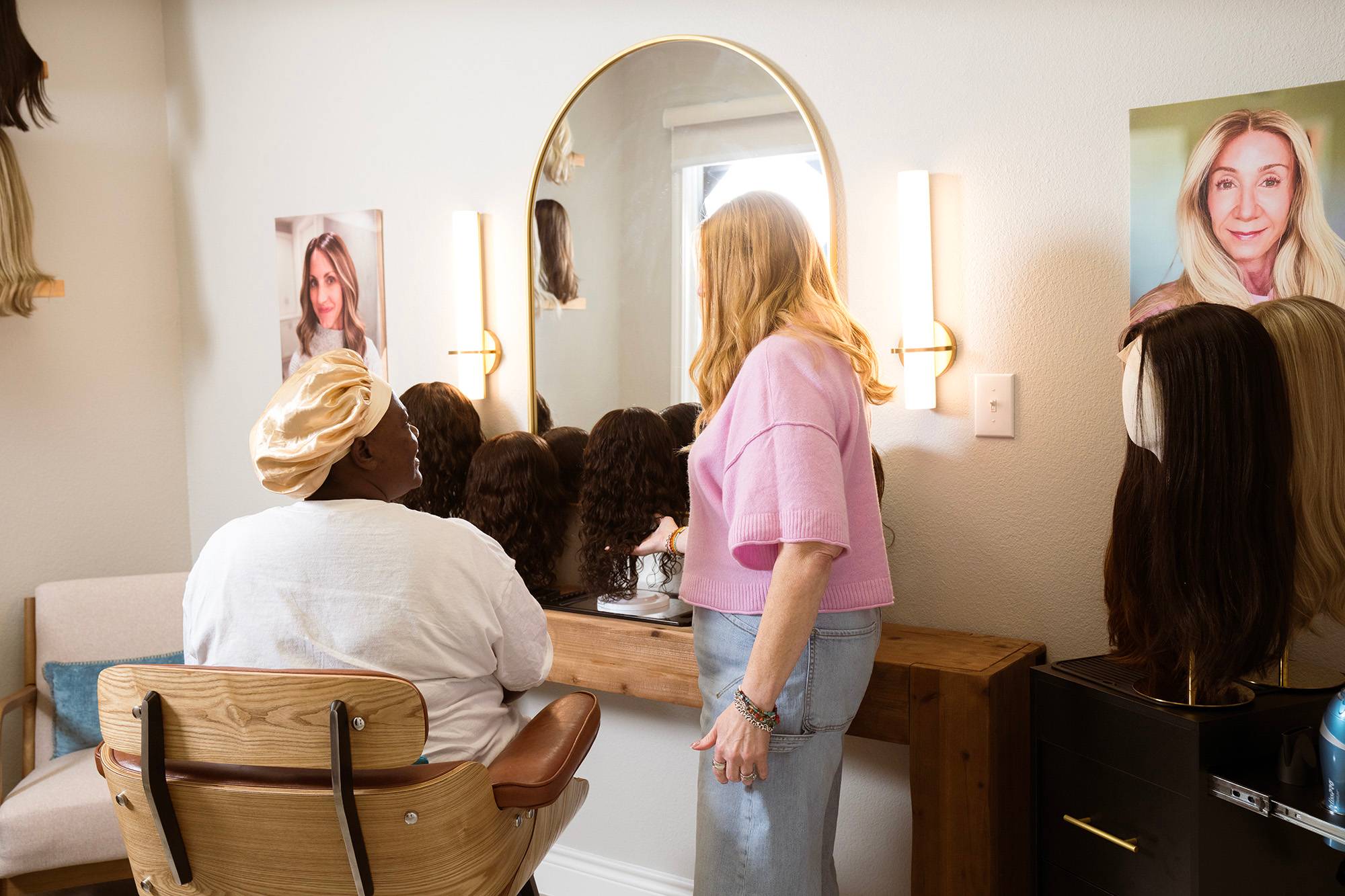
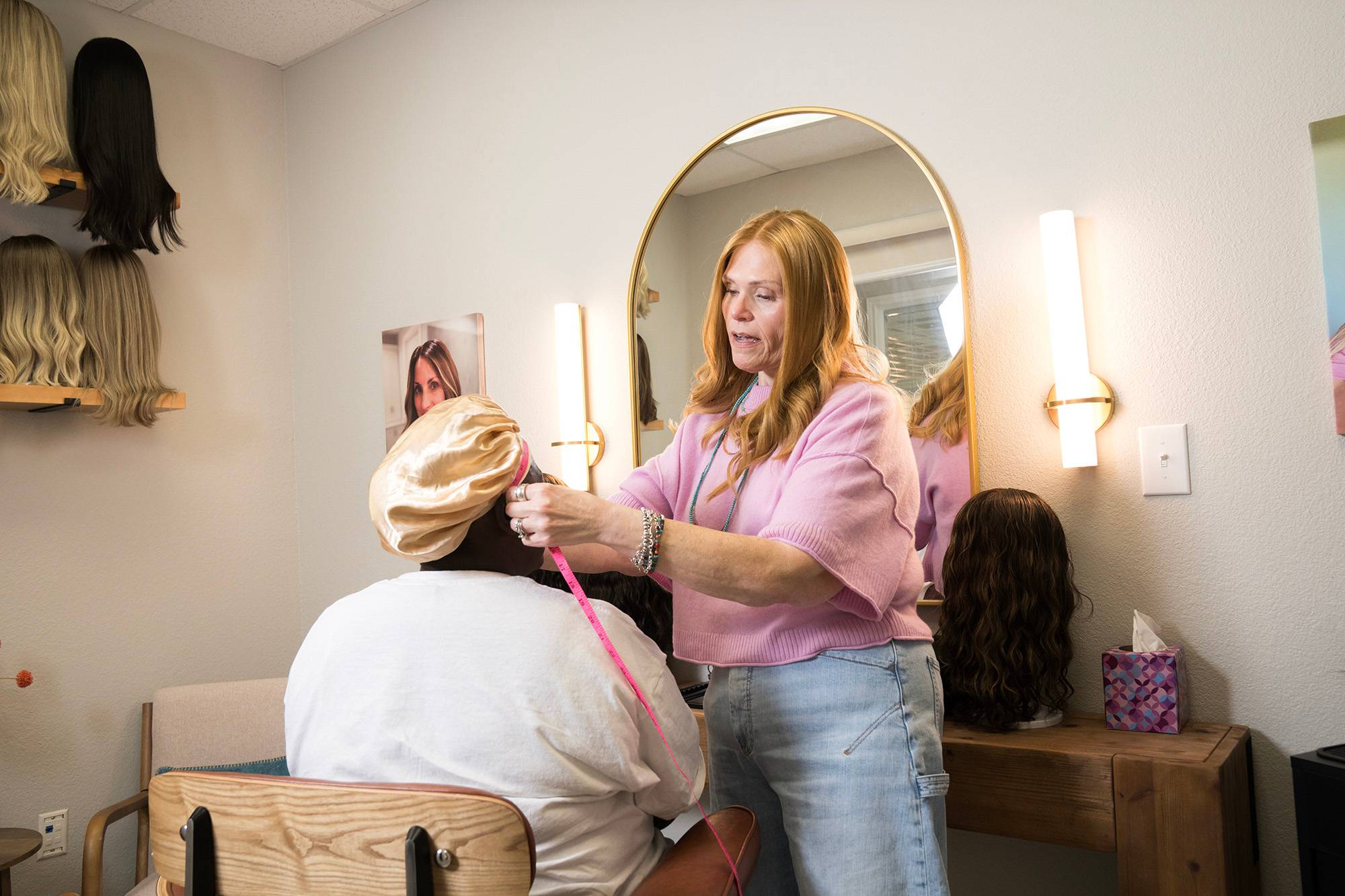
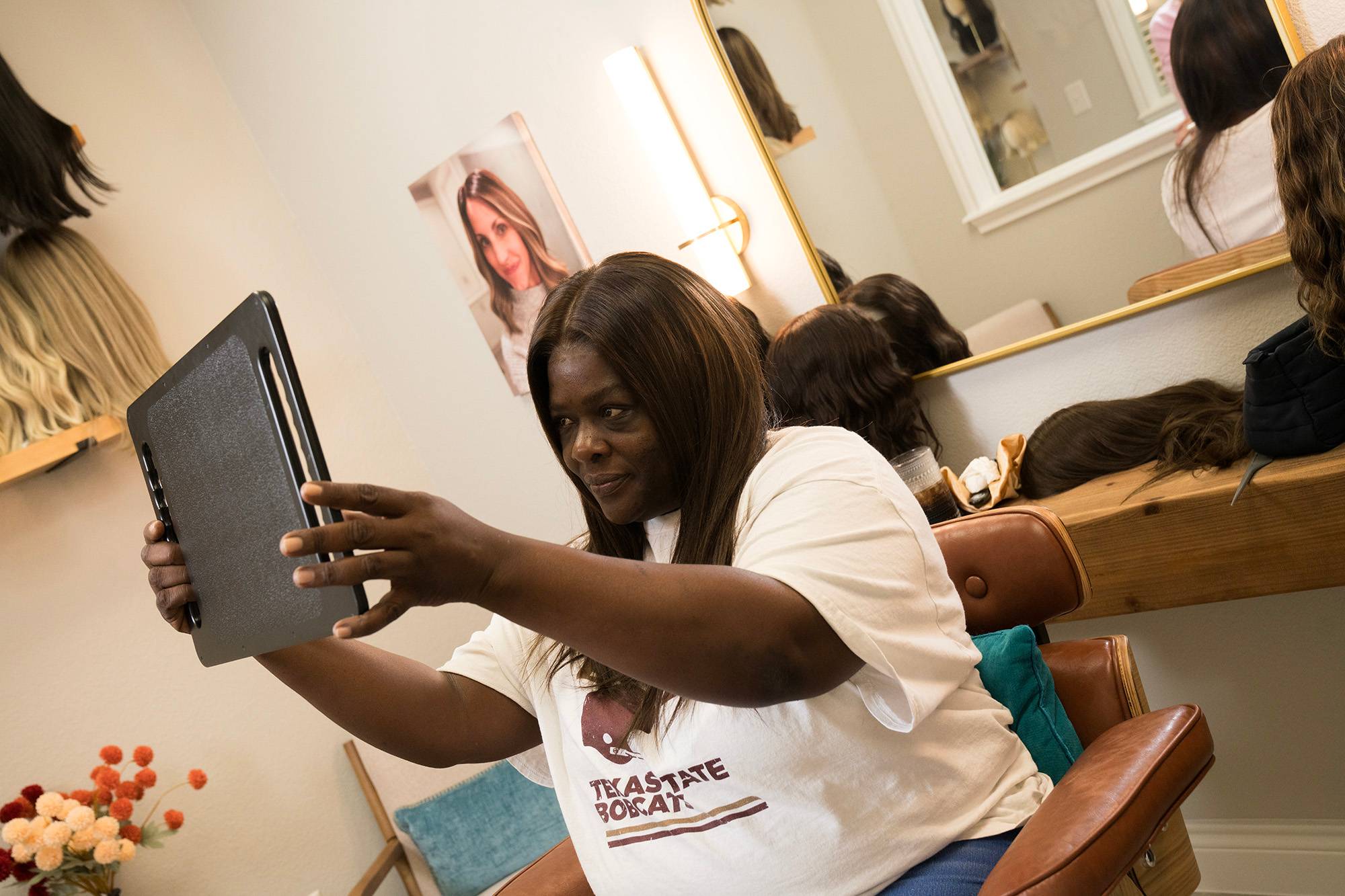
Engram says Prairie Fire Hair aims to create a welcoming space where women can connect with others who understand the sensitive process of selecting a wig. She offers personalized consultations for clients who are often nervous, uncertain, or uncomfortable about asking for help.
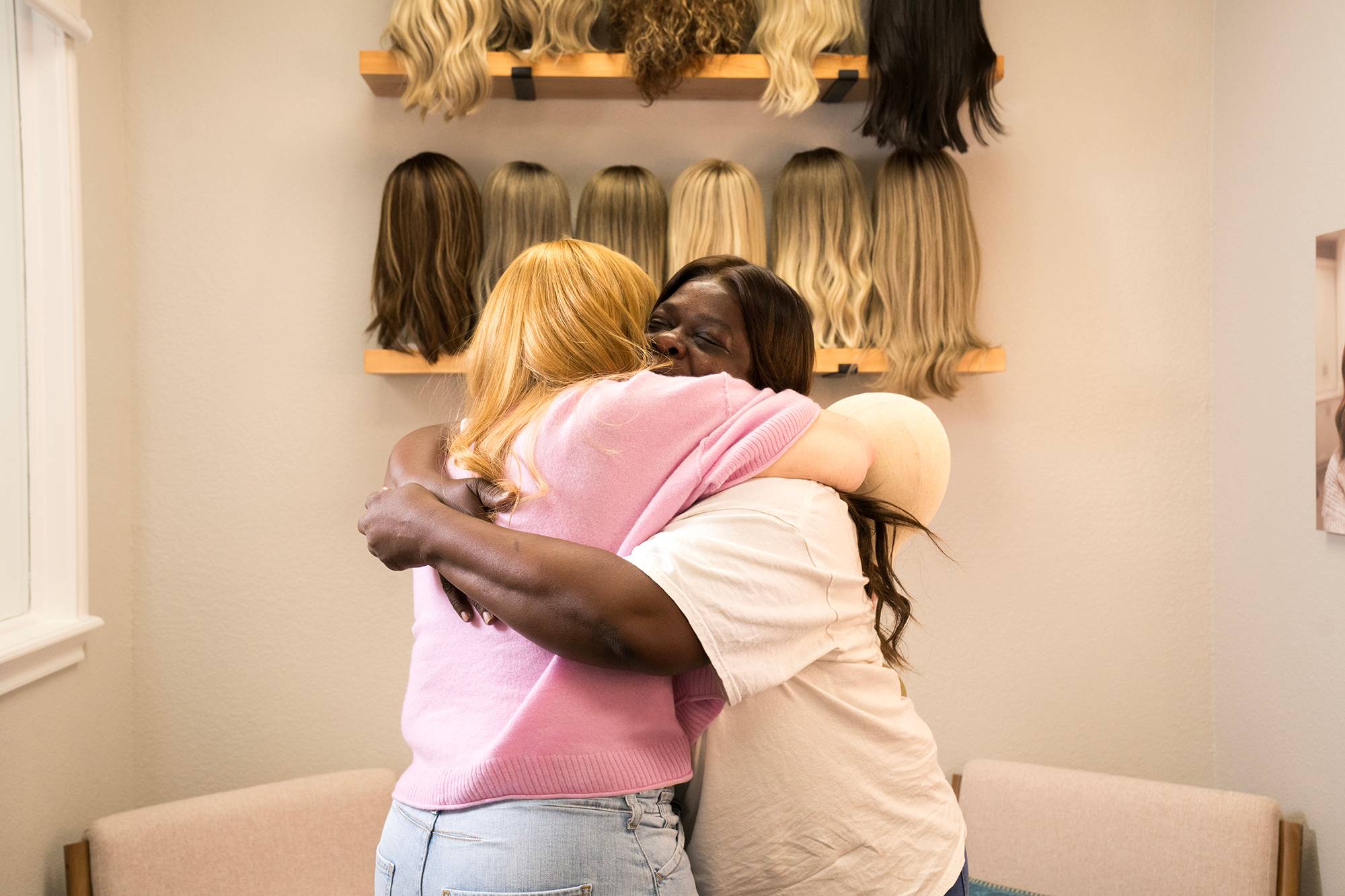
During Hall’s recent wig consultation, the two women bonded over the loss of confidence that can accompany hair loss and the process of rebuilding a sense of self.
“I’m gonna be forever grateful for you.”
“I know women who have changed their lives because they started wearing a wig,” Engram says. “Not because of the wig, but because of the confidence and the security it gave them to present themselves to the world.”
Engram remembers the anxiety surrounding her first wigs. One shop placed her in a style that did not resemble the cut she had worn for years. She bought the wig because employees told her it looked good, but after wearing it once, she put it away.
When Engram eventually found a platinum blonde, pixie-style wig that felt more familiar, she wore it to a TXST faculty meeting. About three weeks later, Engram caught her reflection in a grocery store freezer door and realized she forgot she was wearing a hair piece.
“So, it literally has to grow on you,” she says.
For Hall, finding that sense of comfort takes time. She says the grief surrounding her hair loss is tied to the time and independence that disappeared with it. Headaches and swelling from fluid on her brain can make combing her hair painful. On difficult days, getting ready to leave home can take hours.
“Getting sick, it was hard for me,” Hall says. “Sometimes I couldn’t comb my hair because my head hurt so bad. I want to just get up and go, like everyone else.”
A moment of shared vulnerability follows when Engram lifts her own wig, smiles, and reveals her own hair loss to Hall.
“Well, it only takes me about five minutes to get ready,” Engram says with a laugh.
Hall grins, removes her pink, silky bonnet, and reveals her thinning hair. It’s how most consultations begin, Engram says. There’s a moment of nervousness, sometimes tears, followed by excitement as clients try on more wigs that reflect their own style.