
Texas State University Professor Brings Texas Travel Expertise to ‘Lonely Planet’

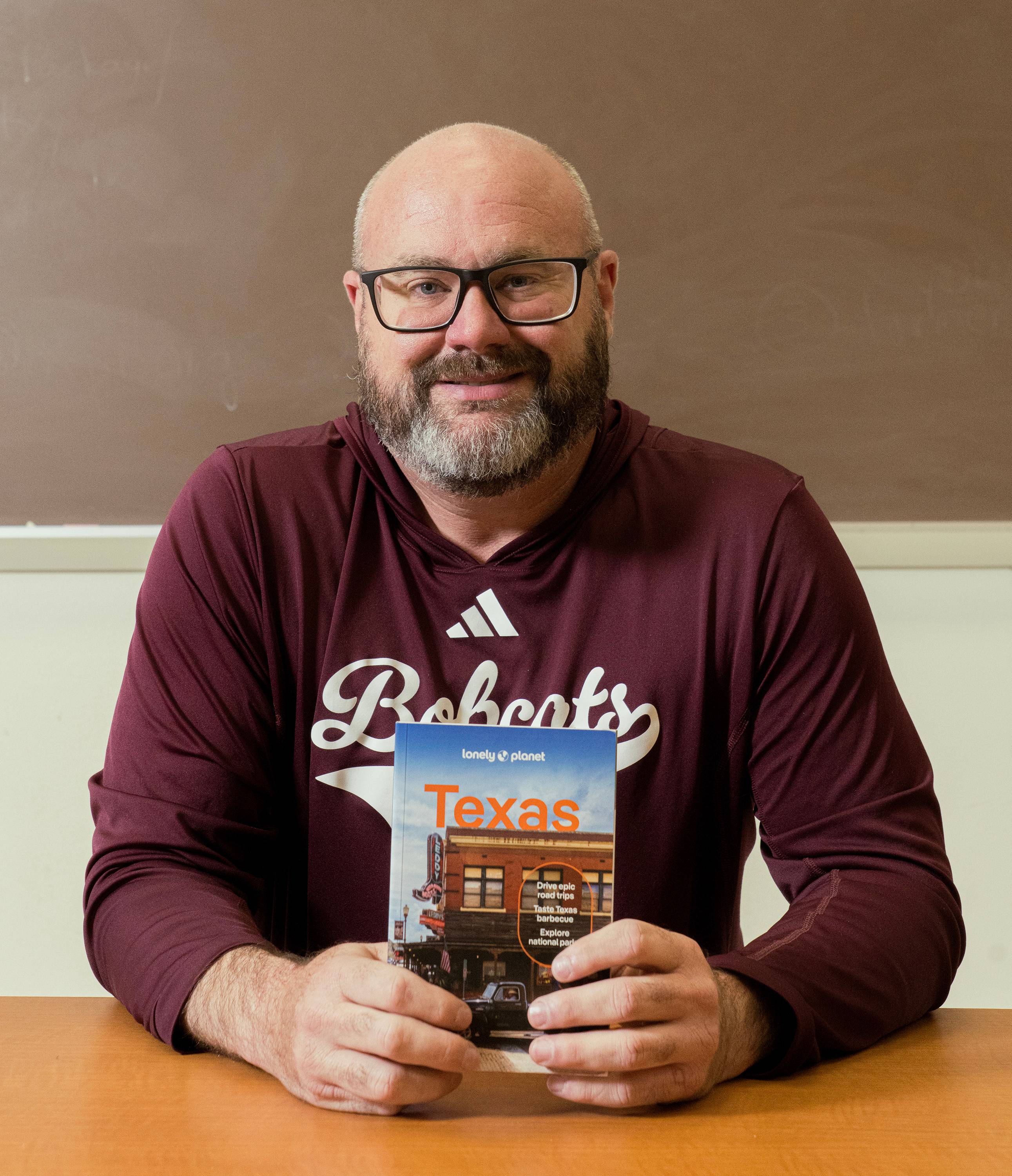
Dale Blasingame holding a copy of Lonely Planet Texas.

Dale Blasingame turns his love of Texas parks, road trips, and storytelling into contributions for Lonely Planet guides and the creation of student travel programs. 

Dale Blasingame says he’d never been much for road trips until about 15 years ago, when a dream about a cross-country trip inspired him to hit the road for a summer excursion through the Northern Rockies. 

Little could Blasingame, an associate professor of practice in the School of Journalism and Mass Communication, have known that this initial foray into travel would lead to him developing a teaching specialty focused on travel to parks—and the opportunity to contribute to Lonely Planet, one of world’s foremost travel guides. 

Blasingame authored the Austin and South Texas sections of the newest edition of Lonely Planet Texas. In it, he points readers to places both famous and obscure, ranging from Austin’s Barton Springs Pool to Harlingen’s Las Vegas Café. 

“It was really cool going back to your hometown in the mindset of a tourist,” says Blasingame, a TXST alum who grew up in Harlingen and has lived in Austin for the past 15 years. “It made me particularly happy to recommend some of the places that were important to me as a child.” 

Blasingame landed the Lonely Planet assignment based on his experience traveling throughout Texas with his dog, Lucy, and chronicling his adventures in social media and magazines.  
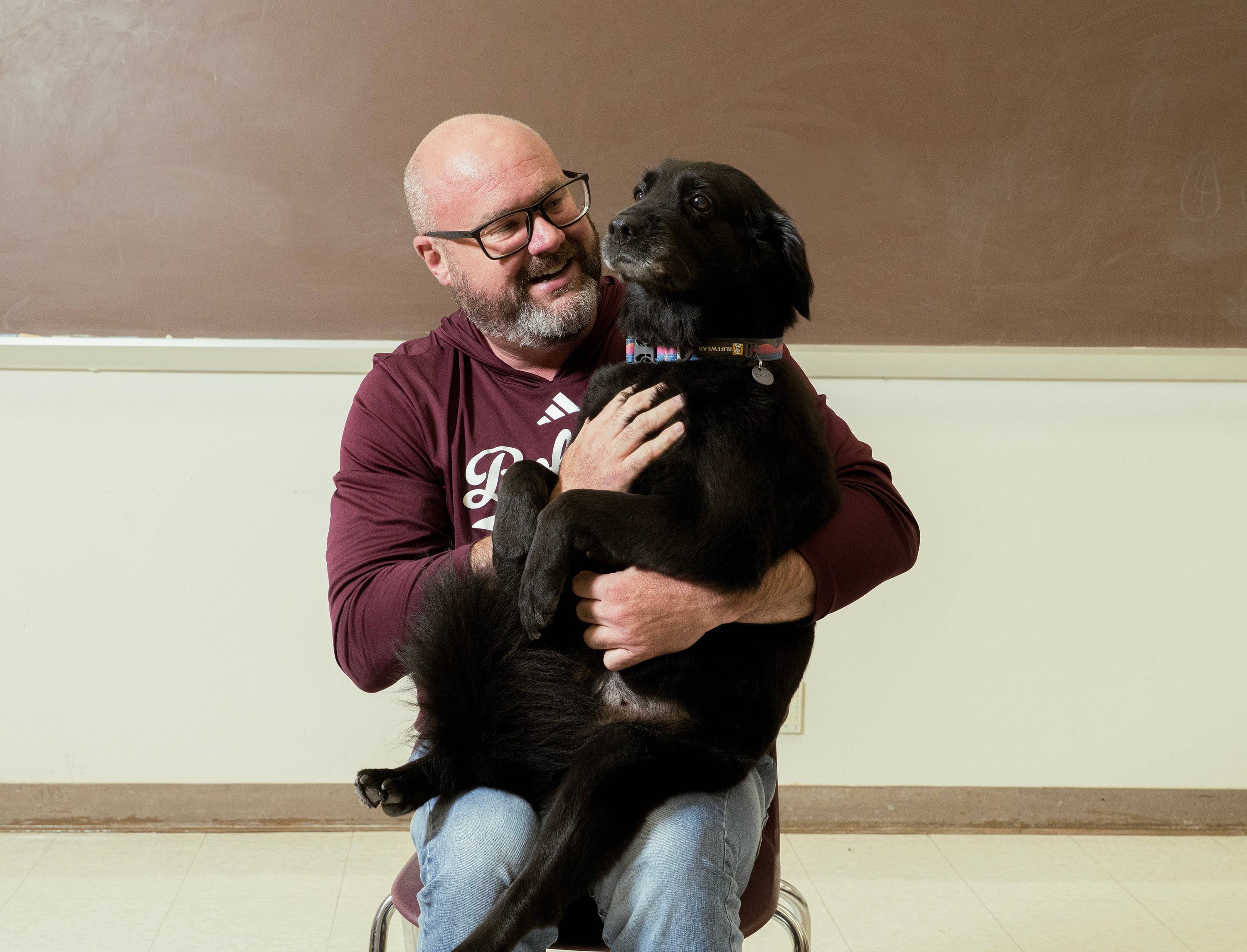
Dale Blasingame with his dog Lucy sitting in his lap like a big baby. Dale is wearing a maroon sweatshirt with Bobcats written on it. Lucy is a medium sized dog with black fur and a little bit of gray on her muzzle.
Dale Blasingame's dog and travel companion, Lucy

In 2015, Blasingame became the first person to travel all of Texas’ 95 state parks in one year. He adopted Lucy, a black golden retriever/border collie mix, halfway through his state parks quest. So, he revisited the first half of his list with Lucy over the following two years, making her the first dog to visit all 95 Texas state parks.  

Blasingame is now writing guides to Big Bend, Guadalupe Mountains, and Carlsbad Caverns national parks for a forthcoming Lonely Planet guide to U.S. national parks. He also introduces TXST students to national parks each summer with the Storytelling in the Park program. Lucy joins his excursions whenever possible. 

“A love of the outdoors has driven a lot of what I’ve done in the past 10-plus years,” Blasingame says. “And it was a complete happy accident, because it was not part of my personality before those first couple of adventures. Now I’m getting older, and Lucy is getting older, and we can’t do all of the amazing stuff that we used to do. But I’m just trying to relish the time we do have together, especially in the outdoors.”  

Hillviews caught up with Blasingame to learn more about Lonely Planet, traveling with dogs, and how he shares his love of travel with students at TXST. 


How did you conduct your research for the Lonely Planet book? 

From a planning perspective, I put most of my time into the South Texas chapter. I was able to use a lot of the Austin ideas from a previous edition of the guide, while putting my own spin on it. But previous editions of the book had very little on South Texas, and that’s my home area. I’m from Harlingen, and I was determined to make sure that South Texas was properly represented in the book.  

What did you learn about Austin through your experience?  

One of my biggest challenges is I’m not much of a foodie. I like good food, but I eat at the same five restaurants all the time and primarily Mexican food. So I really had to lean on experts, and I interviewed several food journalists and people who are super connected to the Austin food scene. One of the places that was new to me is Cuantos Tacos, which is a food truck that has very much become a go-to recommendation for people.  

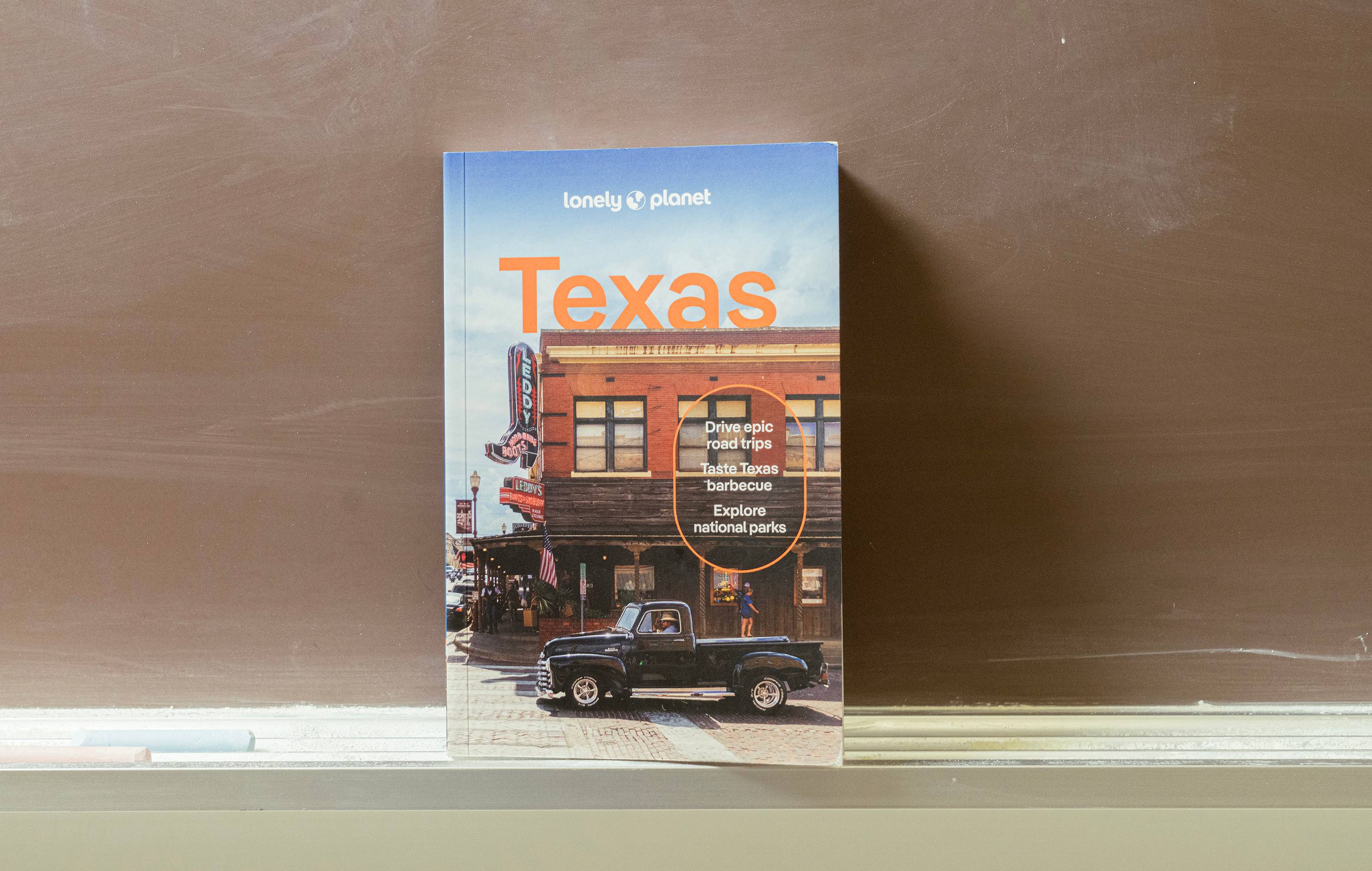
Cover of the book Lonely Planet Texas
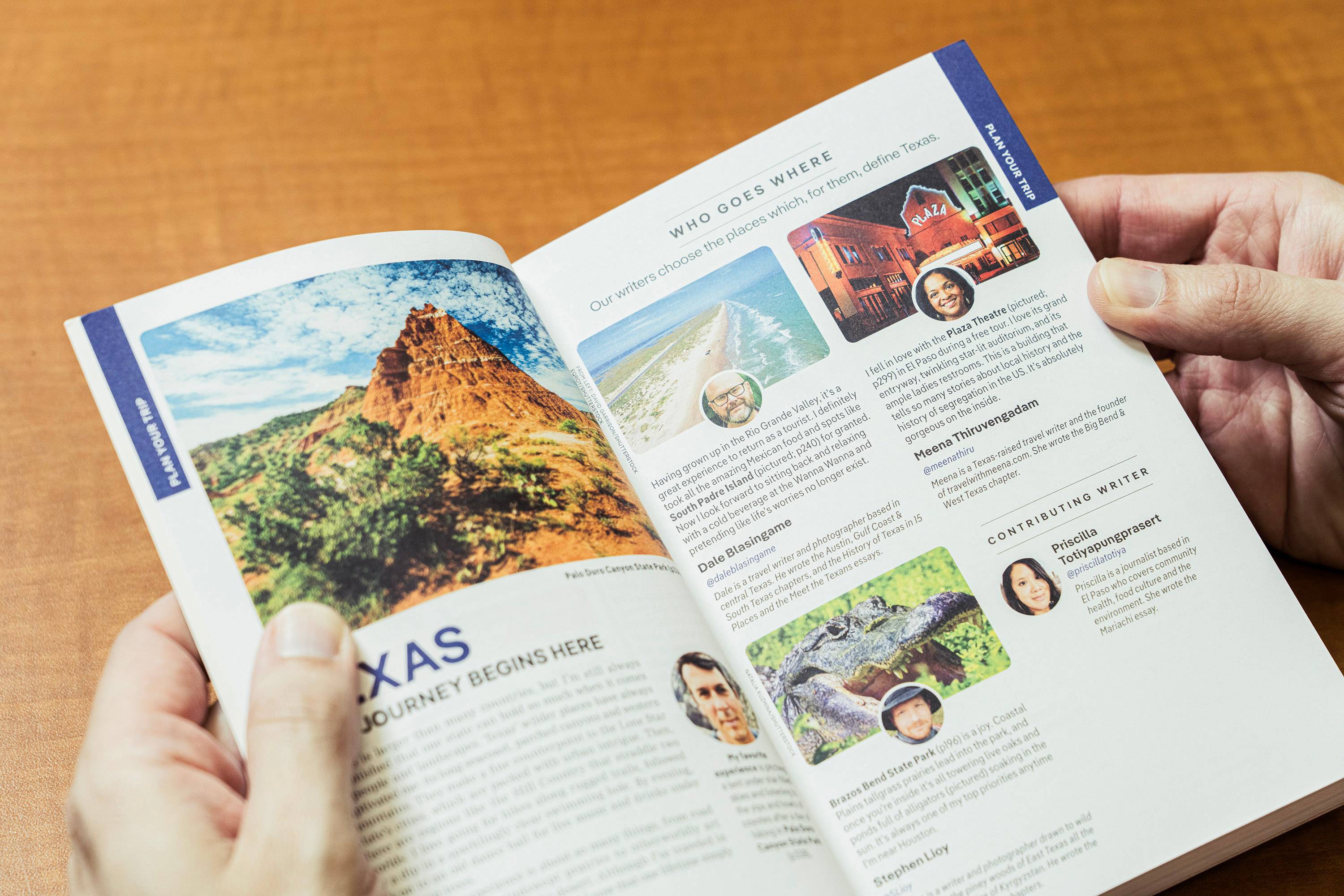
Inside of the book Lonely Planet Texas. On a page is Dale Blasingame's photo and bio.

How did you decide which places in South Texas to highlight? 

The hardest part with the South Texas chapter was recognizing the nostalgia for my childhood and places actually worth recommending. I grew up in Harlingen and spent a lot of time at South Padre Island. So those were kind of easy locations. The harder ones were Brownsville and McAllen, because they’ve grown so much since I left the valley. And so again, I relied on people I trusted to kind of point me in the right direction for the places there.  

What’s your advice for traveling with dogs? 

It’s very much worth it. Some people view it as kind of a nuisance, but my first thought is, “How can I have Lucy go with me and figure out a way to make that happen?” But you can’t assume that every place is dog friendly. Do a bit of reading beforehand to know the rules and know what’s expected of being a responsible dog owner. We still unfortunately see a lot of people hiking in leashed areas off-leash and that’s how problems start. That’s how people start getting resentful of dogs being on trails. So that’s why I always try to model good behavior with Lucy in that I want people to understand there are rules that are there for good reason. 

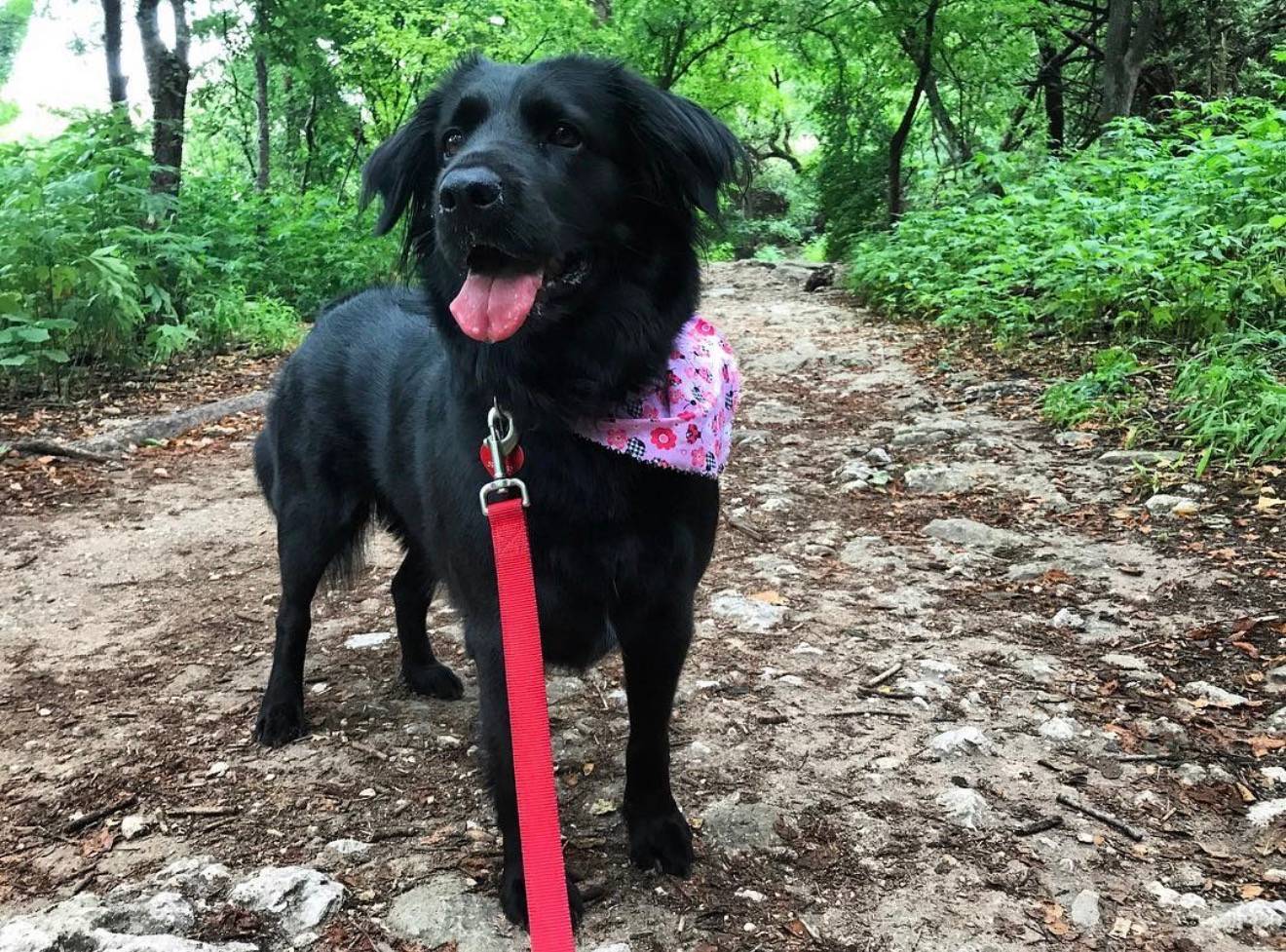
Lucy standing on a dirt trail surrounded by greenery. The location is Barton Creek Greenbelt
Lucy on the Barton Creek Greenbelt in Austin.
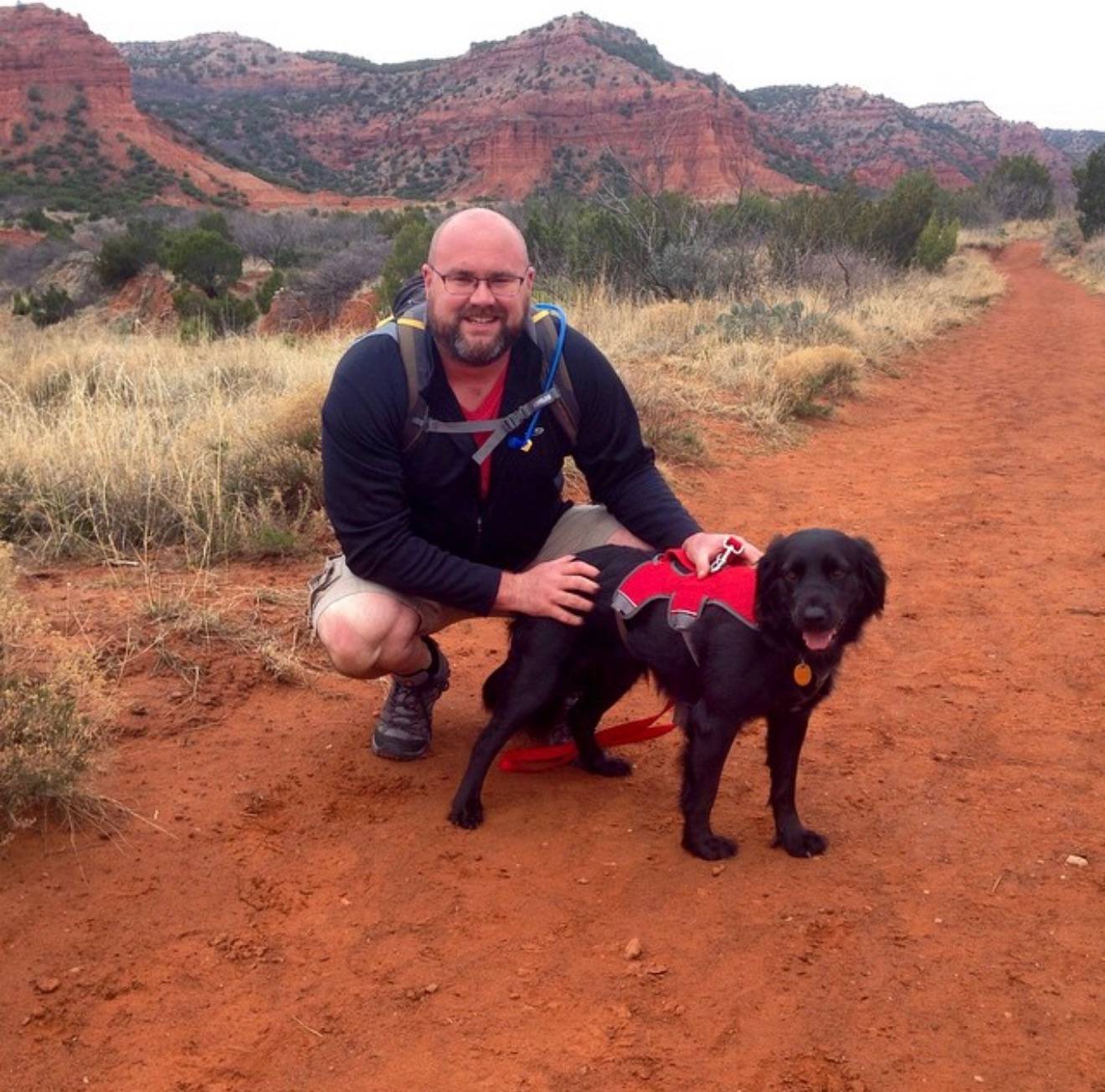
Dale and Lucy on a dirt road with red hills in the background. Location is Caprocks.
Dale and Lucy at Caprock Canyons State Park

How have you incorporated your interest in travel into your teaching? 

One of the editors at Texas Parks & Wildlife Magazine said we should teach a class together, and my immediate reaction was “Yes.” And so that became a weekend short course in partnership with Texas Parks and Wildlife on using smartphones to create content to try and encourage more young people to get outdoors. And then with my colleague Kym Fox, who passed away this past year, unfortunately, we put in a grant application with the university for a Study in America program, which is like education abroad but in the United States. We got the grant, and that turned into our Storytelling in the Park program. We just got back from Lake Tahoe two weeks ago. We’ve taken students to Big Bend, White Sands, Zion, the Grand Canyon, Mesa Verde, Yosemite, the Pacific Northwest, and Acadia. 

What can students learn from travel journalism? 

I wouldn’t say travel journalism, I would just say traveling in and of itself. Traveling opens up their eyes to so many new things, and you never know where that’s going to take a student. I’ve seen our Study in America program have a big influence on our students. One student on our Grand Canyon trip was a traditional PR major here. But after our trip, she knew she wanted to do environmental public relations. She came back to grad school, went to the Sustainability Studies graduate program at TXST, and is now doing great work doing environmental public relations. It doesn’t matter whether it’s steering you toward a profession, or introducing you to new people or new ideas, traveling opens up so many doors for growth. 


Matt Joyce

Matt Joyce is the Editorial Manager for TXST's Division of Marketing and Communications.